


Can the Yinlingquan point be pressed for frequent urination due to Yang deficiency?
Jun 19, 2025
Source: Cainiu Health

Dr. Sun Lianqing
Introduction
In general, if frequent urination due to yang deficiency is caused by spleen-kidney yang deficiency, the Yinlingquan point can usually be pressed according to medical advice. However, if it is caused by other factors, pressing the Yinlingquan point is not recommended. If discomfort occurs, it is advised to seek timely treatment at a正规 hospital. When massaging acupuncture points, attention should be paid to the technique and pressure applied, avoiding excessive stimulation that may cause discomfort. In addition, patients with yang deficiency and frequent urination should also keep warm.
Generally, if frequent urination due to yang deficiency is caused by spleen-kidney yang deficiency, the Yinlingquan point can usually be pressed according to medical advice. However, if the frequent urination is caused by other factors, pressing the Yinlingquan point is not recommended. If discomfort occurs, it is advisable to seek timely treatment at a qualified hospital. Detailed analysis is as follows:
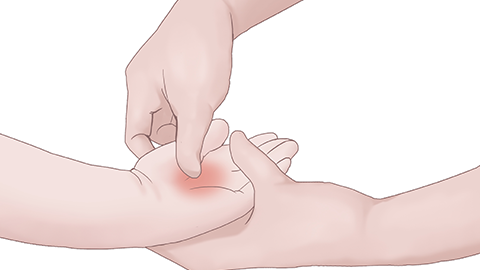
If frequent urination due to yang deficiency is caused by spleen-kidney yang deficiency, the condition is often due to insufficient yang energy in the spleen and kidneys, leading to dysfunction in water metabolism, which results in frequent and clear urination, accompanied by symptoms such as fatigue, cold intolerance, cold limbs, abdominal distension, and loose stools. The Yinlingquan point, a meeting point of the足太阴脾经 (spleen meridian of foot taiyin), has functions of strengthening the spleen to resolve dampness, warming yang, and promoting qi transformation. Massaging this point can assist in enhancing the spleen's function of water metabolism and fluid transformation, and when combined with kidney-yang nourishing therapy, it helps improve water metabolism disorders caused by spleen-kidney yang deficiency, thereby alleviating symptoms of frequent urination.
If frequent urination due to yang deficiency is caused by other factors, pressing the Yinlingquan point is not recommended. If the frequent urination is not due to spleen-kidney yang deficiency but rather caused by isolated kidney yang deficiency, lung-kidney qi deficiency, bladder cold deficiency, or other pathological factors such as urinary tract infections or prostate diseases (organic lesions), then blindly massaging the Yinlingquan point is not advised. For example, isolated kidney yang deficiency typically presents with symptoms such as soreness and weakness of the lower back and knees, and frequent nighttime urination, primarily involving the kidneys. In such cases, treatment should focus on warming and nourishing kidney yang. Although Yinlingquan belongs to the spleen meridian, its capacity to warm yang is relatively weak, and improper massage may fail to relieve symptoms effectively or even delay treatment by not targeting the actual pathological site.
When massaging acupoints, attention should be paid to technique and pressure to avoid excessive stimulation that may cause discomfort. Additionally, patients with frequent urination due to yang deficiency should keep warm, especially the waist and feet; ensure adequate sleep and avoid staying up late; and reduce mental stress.


