


What causes muscle cramps after exercise?

In general, muscle spasms after exercise may be caused by insufficient warm-up, excessive fatigue, muscle strain, epilepsy, Parkinson's disease, and other reasons. It is recommended to seek timely medical attention, identify the underlying cause, and undergo symptomatic treatment under the guidance of a professional physician. Detailed analysis is as follows:
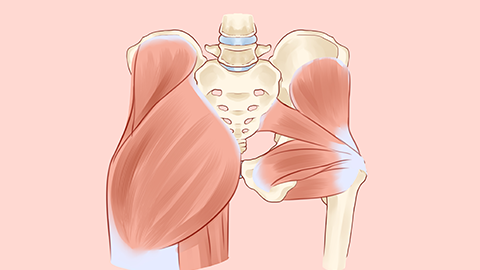
1. Insufficient Warm-up
Inadequate warm-up before exercise is a common physiological cause of muscle spasms. Without proper warm-up, muscles may not be prepared for the intensity of the upcoming activity, leading to sudden contractions and subsequent spasms. It is recommended to stop exercising immediately and massage and stretch the affected area to relax the muscles and relieve pain.
2. Excessive Fatigue
Excessive intensity or duration of exercise can lead to lactic acid buildup in the muscles, causing pain and contraction responses. Additionally, extreme fatigue can impair muscle blood circulation and nutrient supply, further exacerbating spasm symptoms, which may be accompanied by muscle soreness, weakness, and tremors. It is recommended to appropriately reduce exercise intensity and duration, allowing muscles sufficient rest time.
3. Muscle Strain
Excessive range of motion or sudden intense stretching exercises may cause localized muscle strain. Pain may become more noticeable when muscles relax after exercise, accompanied by spasm symptoms, as well as local pain, swelling, tenderness, and restricted movement. It is recommended to follow medical advice for the use of medications such as ibuprofen sustained-release capsules, celecoxib capsules, baclofen tablets, and others to alleviate symptoms.
4. Epilepsy
Epilepsy may be triggered by congenital genetic factors, acquired injuries, or abnormal development of the cerebral cortex. In patients with epilepsy, abnormal discharge of neurons in the brain can lead to symptoms such as muscle twitching, which may worsen after exercise, and may also be accompanied by loss of consciousness, generalized or localized rigidity. It is recommended to follow medical guidance for the use of medications such as gabapentin tablets, carbamazepine tablets, oxcarbazepine tablets, and others for treatment.
5. Parkinson's Disease
As a neurological disorder, Parkinson's disease can damage motor neurons, leading to abnormal muscle tone and affecting normal muscle coordination and control, thus triggering spasms. Symptoms may also include tremors, stiffness, and slowed movement. It is recommended to follow medical guidance for the use of medications such as benhexol tablets, amantadine hydrochloride tablets, levodopa tablets, and others for treatment.
It is recommended to apply a warm towel or hot water bag to the affected area in daily life, which can help accelerate blood circulation and relieve muscle pain.


