


What causes chest pain during deep breathing?

Generally, chest pain during deep breathing may be caused by psychological factors, weather changes, muscle strain, pneumonia, pulmonary embolism, or other reasons. Symptomatic management such as general treatment and medication may be needed. If discomfort persists, it is recommended to seek medical attention promptly and undergo appropriate treatment under a doctor's guidance. Detailed analysis is as follows:
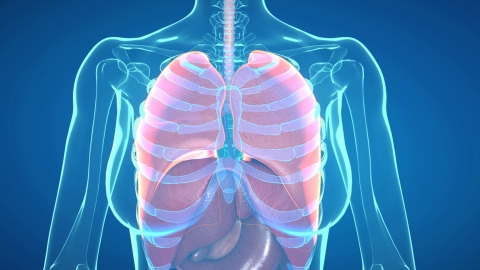
1. Psychological Factors
Anxiety, tension, and other emotional issues may affect the nervous system's function, increasing sensitivity to pain, which may result in chest pain during deep breathing. This is often accompanied by emotional instability, insomnia, and other symptoms. It is recommended to practice relaxation techniques, such as deep breathing exercises, to improve emotional well-being.
2. Weather Changes
Inhaling cold air may cause airway constriction, increasing resistance during breathing. Particularly during deep breaths, the lungs' expansion may encounter greater resistance, causing pain, possibly accompanied by coughing and sore throat. It is recommended to wear warm clothing, avoid outdoor activities in extreme weather conditions, and use a humidifier to maintain indoor air moisture.
3. Muscle Strain
Excessive fatigue or sudden strenuous activity, such as lifting heavy objects or engaging in intense physical exercise, may strain the chest muscles, potentially causing chest pain during deep breathing, sometimes accompanied by localized tenderness. It is recommended to ensure sufficient rest in daily life to promote muscle recovery.
4. Pneumonia
Pneumonia is an inflammation of the lungs caused by bacterial, viral, or fungal infections. In pneumonia, the alveoli and bronchi become filled with infectious material and inflammatory cells, leading to damage of lung tissue. The expansion of the lungs during deep breathing may stretch the damaged tissue, causing pain, which may be accompanied by fever, cough, and sputum production. It is recommended to follow medical advice and use medications such as Acyclovir Capsules, Cephalexin and Trimethoprim Tablets, and Ribavirin Tablets for treatment.
5. Pulmonary Embolism
Pulmonary embolism mainly occurs when endogenous or exogenous emboli block the pulmonary artery or its branches, leading to disturbances in pulmonary circulation and respiratory function. During deep breathing, the expansion of the lungs may intensify the pressure exerted by blood clots on blood vessels, causing severe pain, possibly accompanied by shortness of breath, worsening chest pain, palpitations, and other symptoms. It is recommended to follow medical instructions and use medications such as Dicoumarol Tablets, Heparin Sodium Injection, and Warfarin Sodium Tablets to alleviate symptoms.
Prior to determining the exact cause, it is advisable to avoid strenuous activity to prevent worsening pain. Adopting a comfortable semi-reclining position and relaxing the body may help alleviate symptoms.


