


Can Perilla seed and garlic treat cold-induced cough?

Generally, perilla and garlic are only effective as an adjunct in relieving coughs caused by wind-cold, but they have no therapeutic effect on other types of coughs such as wind-heat cough or yin-deficiency cough, and may even worsen the condition. If in doubt, it is recommended to consult a medical professional in advance. Detailed analysis is as follows:
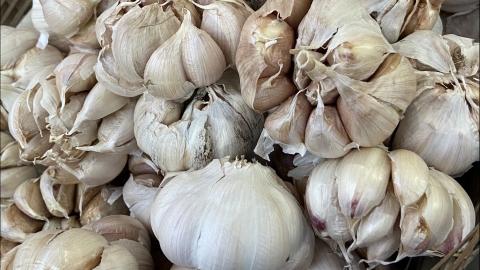
When cough is caused by wind-cold, presenting symptoms such as heavy-sounding cough, thin white phlegm, nasal congestion with clear discharge, chills and fever, perilla and garlic may provide an auxiliary effect. Perilla, which is warm in nature, can dispel wind-cold and relieve cough by promoting lung function; garlic is also warm and acrid in nature and can warm the lungs and expel cold. When used together, they can help alleviate cough symptoms caused by wind-cold by eliminating cold pathogens from the body and promote the expulsion of phlegm. However, this auxiliary effect is limited and is suitable only for mild cases.
If the cough is due to wind-heat, presenting symptoms such as frequent and severe coughing, unsatisfactory phlegm expectoration, sticky or yellow phlegm, sore throat; or yin-deficiency cough, presenting symptoms such as dry cough with little phlegm, dry mouth and throat, and feverish sensations in the afternoon, then perilla and garlic are not appropriate. The warm and drying properties of perilla and garlic may aggravate the internal heat in patients with wind-heat cough, leading to worsened cough and thicker phlegm; for those with yin-deficiency cough, it may further deplete body fluids, worsening symptoms such as dry throat and dry cough.
Before using perilla and garlic to manage cough, it is important to determine the type of cough first. If cough symptoms persist without improvement, or if severe conditions such as high fever or difficulty breathing occur, medical attention should be sought immediately for proper treatment. Blind reliance on perilla and garlic should be avoided to prevent delays in treatment.


