


Is it okay to donate blood during menstruation?

Generally speaking, women should not donate blood during their menstrual period. The detailed explanation is as follows:
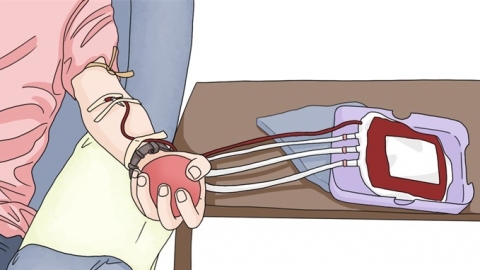
During menstruation, women naturally lose some blood, which may temporarily reduce iron levels and hemoglobin in the body. Blood donation also causes a certain amount of blood loss. Donating blood during the menstrual period may exacerbate anemia, causing symptoms such as dizziness and fatigue, which are detrimental to health.
Additionally, there is a risk of infection at the uterine lining's wound surface during menstruation. After blood donation, the body must simultaneously manage blood regeneration and wound repair. This dual burden may temporarily reduce immune cell activity, increasing the likelihood of pathogen invasion. Therefore, women should avoid donating blood during their menstrual period and three days before and after it, to ensure sufficient compensatory capacity for blood regeneration and functional regulation.
After donating blood, it is important to keep the needle puncture site clean and dry, increase water intake appropriately, and avoid engaging immediately in hazardous activities such as high-altitude work or driving. Additionally, maintaining a balanced diet and regularly monitoring hemoglobin levels are recommended.


