


What medications prevent you from donating blood?

Generally, individuals taking medications such as amoxicillin capsules, warfarin sodium tablets, nifedipine sustained-release tablets, sertraline hydrochloride tablets, or methylprednisolone tablets should not donate blood. Detailed explanations are as follows:
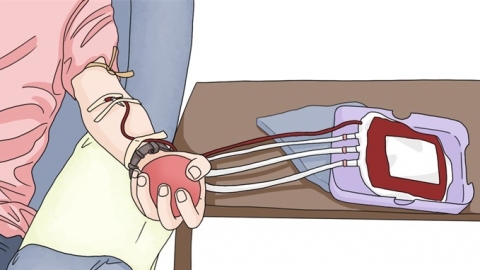
1. Amoxicillin Capsules: This medication belongs to the β-lactam class of antibiotics and exerts antibacterial effects by inhibiting bacterial cell wall synthesis. After administration, residual drug in the bloodstream may cause allergic reactions in blood recipients, including symptoms such as rash, itching, and, in severe cases, anaphylactic shock, thereby compromising blood quality and transfusion safety.
2. Warfarin Sodium Tablets: As an oral coumarin anticoagulant, this drug inhibits the synthesis of vitamin K-dependent coagulation factors, prolonging blood clotting time. Donors taking this medication may face an increased risk of bleeding after blood donation. Recipients receiving blood containing this drug may experience disruption of their own coagulation mechanisms, leading to an increased tendency to bleed.
3. Nifedipine Sustained-Release Tablets: This medication is a dihydropyridine calcium channel blocker that relaxes vascular smooth muscle by blocking calcium ion influx, thereby reducing peripheral vascular resistance and lowering blood pressure. Blood donation while taking this medication may easily cause blood pressure fluctuations in donors, leading to symptoms such as dizziness and palpitations. The drug components may also affect the recipient's blood pressure regulation.
4. Sertraline Hydrochloride Tablets: This medication is a selective serotonin reuptake inhibitor (SSRI) antidepressant that improves depressive symptoms by increasing serotonin concentration in synaptic clefts. Drug residues in the bloodstream may interfere with the recipient's nervous system function, potentially causing adverse reactions such as anxiety and insomnia, thereby endangering the recipient's health.
5. Methylprednisolone Tablets: This medium-acting glucocorticoid medication has anti-inflammatory and immunosuppressive effects. After administration, the drug may affect the body's endocrine system and alter hormone levels. After blood donation, residual drug may disrupt the recipient's endocrine balance, affecting metabolism and physiological functions, and causing adverse consequences.
Prior to planning blood donation, it is essential to carefully review the medication instructions to confirm whether the medication belongs to any of the above categories. If currently taking any of these medications, individuals should wait until the medication has been discontinued and sufficient time has passed for drug metabolism before visiting a formal blood donation center for blood testing. Only after passing the required tests should one participate in blood donation, thus ensuring blood quality and transfusion safety.


