


What causes increased intestinal peristalsis?

Under normal circumstances, increased intestinal motility may be caused by dietary habits, emotional changes, strenuous exercise, irritable bowel syndrome, hyperthyroidism, etc., and requires symptomatic treatment through general therapy, medication, and other methods. If discomfort occurs, it is recommended to seek medical attention promptly and undergo corresponding treatment under the guidance of a physician. Detailed analysis is as follows:
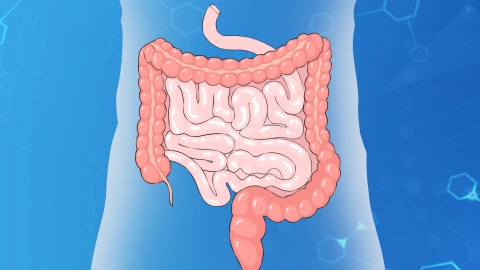
1. Dietary Habits
Irregular eating habits, such as overeating, hunger, or binge eating, may also affect the rhythm of intestinal motility, leading to increased intestinal motility. It is recommended to maintain regular eating habits and avoid excessive hunger or overeating.
2. Emotional Changes
When the body experiences emotional changes such as tension, anxiety, or stress, it may affect intestinal motility through the nervous system, leading to increased intestinal motility, which may be accompanied by symptoms such as mental tension, anxiety, and mood swings. It is recommended to relieve stress and improve emotional well-being through activities like exercise, meditation, or listening to music.
3. Strenuous Exercise
Exercise can promote blood circulation and enhance the contractile capacity of intestinal muscles, thereby accelerating the movement of intestinal contents. After exercise, one may feel enhanced intestinal activity; however, excessive physical exertion may cause abdominal pain or diarrhea. It is recommended to maintain moderate physical activity and avoid eating immediately after intense exercise to prevent abdominal discomfort.
4. Irritable Bowel Syndrome
Irritable bowel syndrome is a common functional gastrointestinal disorder characterized by abnormal intestinal motility. Patients with irritable bowel syndrome may exhibit heightened sensitivity of the intestines to certain foods or stress, leading to either accelerated or slowed intestinal motility, which can cause symptoms such as abdominal pain, bloating, constipation, or diarrhea. It is recommended to take medications such as mebeverine hydrochloride tablets, alverine citrate capsules, or pinaverium bromide tablets under the guidance of a physician to alleviate symptoms.
5. Hyperthyroidism
Autoimmune factors, genetic predisposition, environmental influences, and other factors may lead to hyperthyroidism. When hyperthyroidism occurs, the level of thyroid hormones in the body increases, accelerating overall metabolism, including intestinal motility, resulting in symptoms such as diarrhea and abdominal pain, which may be accompanied by palpitations, excessive sweating, weight loss, and other symptoms. It is recommended to follow medical advice to take medications such as methimazole tablets, propylthiouracil tablets, or carbimazole tablets to alleviate symptoms.
It is recommended to engage in appropriate physical activities such as walking, jogging, or yoga in daily life to help enhance gastrointestinal motility and promote intestinal movement.


