


What are the causes of frequent headaches and dizziness in children?

Generally, frequent headaches and dizziness in children may be caused by lack of sleep, dehydration, prolonged eye strain, anemia, colds, or other reasons. Symptomatic treatment such as general care or medication may be needed. If symptoms persist, it is recommended to seek medical attention promptly and undergo appropriate treatment under a doctor's guidance. Detailed explanations are as follows:
1. Lack of Sleep
Children often carry heavy academic loads and may stay up late studying, leading to insufficient sleep and inadequate rest for the brain, which can cause headaches and dizziness. Symptoms may include fatigue, difficulty concentrating, and memory decline. It is recommended to ensure children get sufficient sleep daily, balance work and rest properly, and avoid staying up late.
2. Dehydration
Children may forget to drink water while playing or studying, leading to dehydration. Dehydration increases blood viscosity and impairs circulation, causing insufficient oxygen supply to the brain and resulting in headaches and dizziness. Symptoms often include thirst, reduced urine output, and dark yellow urine. Encourage children to drink water regularly, especially after physical activity and during hot weather, to ensure adequate hydration.
3. Prolonged Eye Strain
Extended periods of eye use can cause eye muscle fatigue, affecting ocular blood circulation and subsequently cerebral blood supply, leading to headaches and dizziness. Common accompanying symptoms include dry eyes and blurred vision. It is recommended to limit children's screen time, develop the habit of performing eye exercises, and have regular vision check-ups.
4. Anemia
Children grow rapidly and require significant amounts of iron. Iron deficiency can lead to insufficient hemoglobin synthesis, causing anemia, impairing oxygen transport, and resulting in cerebral hypoxia, which can trigger headaches and dizziness. Symptoms may also include pallor and fatigue. Under a doctor's guidance, medications such as compound ferrous sulfate granules, ferrous dextran tablets, or iron sucrose injections may be used for treatment.
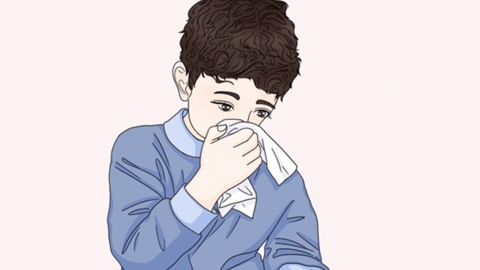
5. Common Cold
A common cold is a viral infection of the respiratory tract that releases inflammatory factors. Children typically have weaker immune systems and are more prone to catching colds. Inflammatory factors may stimulate the brain's nerves, causing headaches and dizziness, often accompanied by symptoms such as runny nose, sneezing, fever, and cough. In such cases, medications like paracetamol tablets, cefixime dispersible tablets, or pediatric paracetamol, chlorpheniramine, and artificial cow-bezoar granules may be used under medical supervision to relieve symptoms.
It is recommended to maintain a balanced diet rich in vitamins and protein, such as eggs, milk, and fruits, to support overall health.


