


What causes stomach pain without diarrhea?
Jun 23, 2025
Source: Cainiu Health

Dr. Shen Yonghua
Introduction
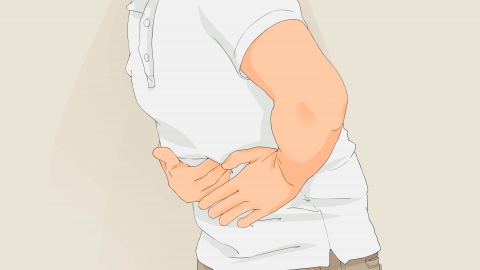
Abdominal pain refers to stomach ache, and diarrhea refers to loose stools. In general, abdominal pain without diarrhea may be caused by stress and anxiety, improper diet, catching a chill, gastric ulcers, appendicitis, or other factors. Symptomatic management may involve general treatment, medication, or surgical intervention as needed. It is recommended to maintain regular meal times and avoid extreme hunger or overeating.
Stomach pain refers to abdominal pain, and diarrhea refers to loose or watery stools. Generally, abdominal pain without diarrhea may be caused by stress and anxiety, improper diet, exposure to cold, gastric ulcers, appendicitis, or other reasons. Symptomatic management may include general treatment, medication, or surgical treatment. If discomfort persists, it is recommended to seek medical attention promptly and undergo appropriate treatment under a physician's guidance. Detailed explanations are as follows:
1. Stress and Anxiety
Emotional fluctuations, especially long-term stress and anxiety, can cause the body to release stress hormones that affect normal intestinal motility and secretion of digestive fluids, leading to abdominal discomfort or pain. Symptoms may be accompanied by palpitations, insomnia, and muscle tension, among other psychological and physiological responses. It is recommended to practice relaxation techniques such as deep breathing, yoga, and meditation to help relieve stress.
2. Improper Diet
Consuming excessive greasy, spicy, or spoiled foods can irritate the gastric mucosa and affect the digestive and absorptive functions of the gastrointestinal tract, causing stomach discomfort or pain. Symptoms may be accompanied by nausea, vomiting, and loss of appetite. It is recommended to adjust dietary habits and consume more easily digestible foods rich in dietary fiber.
3. Exposure to Cold
When cold air enters the gastrointestinal tract, the smooth muscles may undergo involuntary contractions, resulting in spasmodic pain. Symptoms may be accompanied by a cold sensation in the stomach and chills. It is recommended to apply heat using a hot water bottle or gently massage the abdomen to help relieve discomfort.
4. Gastric Ulcer
Long-term alcohol consumption, drinking strong tea, or excessive gastric acid secretion may damage the gastric mucosa and lead to ulcer formation. Gastric ulcers can cause excessive acid secretion, which further damages the gastric mucosa and causes pain. However, since the ulcer does not affect the intestines, diarrhea does not occur. Gastric ulcers are often accompanied by symptoms such as acid reflux, nausea, and loss of appetite. It is recommended to take medications such as omeprazole enteric-coated capsules, rebamipide tablets, or hydrotalcite tablets as directed by a physician to alleviate symptoms.
5. Appendicitis
Appendicitis typically occurs due to infection of the appendix. Once infected, the inflammatory response causes swelling and congestion of the appendix, which then stimulates the surrounding peritoneum and nerves, resulting in pain. Since the appendix is located at the end of the intestine, it does not affect normal intestinal function, and therefore diarrhea does not occur. Appendicitis often presents with migratory right lower abdominal pain and may be accompanied by fever and chills. It is recommended to undergo surgical treatment such as laparoscopic appendectomy or open appendectomy under medical guidance.
It is recommended to maintain regular meal times, avoid extreme hunger or overeating, and avoid spicy, acidic, or irritating foods to reduce gastric mucosal irritation.



