


Why does my head hurt as soon as I get angry?

Generally, headaches triggered by anger may be caused by emotional tension, changes in sleep patterns, migraines, hypertension, cerebral vasospasm, or other factors. Symptomatic treatment such as general therapy or medication may be needed. If physical discomfort occurs, prompt medical attention is advised to avoid delays in treatment. Detailed analysis is as follows:
1. Emotional Tension
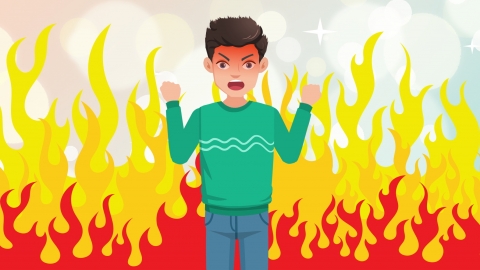
When angry, the sympathetic nervous system becomes excited, causing muscle contractions, especially in the head and neck area. This contraction can compress nerves and blood vessels in the head, leading to headaches, possibly accompanied by neck stiffness, shoulder and back pain, and other symptoms. It is recommended to practice deep breathing, yoga, or meditation to relieve emotional tension.
2. Changes in Sleep Patterns
Anxiety and tension caused by anger can affect sleep quality, leading to light sleep, vivid dreams, or even insomnia. Sleep deprivation or poor sleep quality can disrupt the balance of brain neurotransmitters, causing headaches, possibly accompanied by difficulty falling asleep, waking up during the night, or early morning awakening. It is recommended to maintain good sleep habits, such as regular sleep schedules, avoiding electronic devices at night, and creating a quiet and comfortable sleeping environment.
3. Migraine
Migraine is a common type of headache associated with genetic factors, imbalances in neurotransmitters, and vascular abnormalities. Emotional fluctuations caused by anger may trigger migraine attacks, resulting in severe unilateral headaches, accompanied by nausea, vomiting, and sensitivity to light and sound. It is recommended to use medications such as ibuprofen tablets, indomethacin tablets, or compound propranolol and caffeine tablets under a doctor's guidance.
4. Hypertension
When angry, increased secretion of hormones such as adrenaline causes vasoconstriction and elevated blood pressure. Hypertension exerts pressure on cerebral blood vessels, leading to vasodilation or spasm, which can cause headaches, possibly accompanied by dizziness, palpitations, and chest tightness. It is recommended to use medications such as nifedipine tablets, methyldopa tablets, or captopril sustained-release tablets under a doctor's guidance.
5. Cerebral Vasospasm
Emotional changes during anger may lead to cerebral vasoconstriction and spasms, affecting blood supply to the brain and causing headaches, possibly accompanied by dizziness, vertigo, and nausea. It is recommended to use medications such as nimodipine tablets, fasudil hydrochloride injection, or papaverine hydrochloride tablets as directed by a physician to alleviate symptoms.
It is recommended to practice deep breathing when angry to calm yourself down, or use meditation and relaxation techniques, which can help improve emotional regulation.


