


What causes a headache after drinking alcohol?
Jun 24, 2025
Source: Cainiu Health

Dr. Yang Ziqi
Introduction
In general, headaches caused by drinking alcohol may be due to dehydration, alcohol metabolites, migraines, hypertension, insufficient cerebral blood supply, or other related factors. Symptomatic treatment such as general care or medication may be needed. It is recommended to drink plenty of water, such as plain water or light tea, after consuming alcohol to accelerate metabolism and promote the elimination of alcohol from the body, which can help alleviate headaches.
Generally, headaches after drinking alcohol may be caused by dehydration, alcohol metabolites, migraines, hypertension, insufficient cerebral blood supply, and other factors. Symptomatic treatments such as general care or medications may be needed. If symptoms are severe, timely medical consultation is recommended, following the doctor's instructions for treatment. Detailed analysis is as follows:
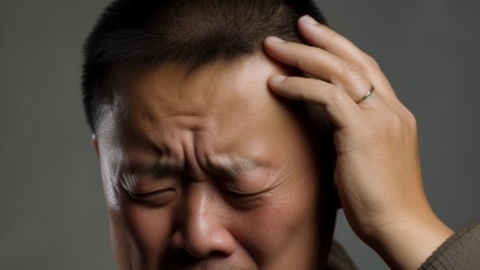
1. Dehydration
Alcohol is a diuretic that inhibits the release of antidiuretic hormone, preventing the kidneys from effectively reabsorbing water, thus leading to dehydration. Dehydration can cause vasoconstriction and reduced blood supply to the brain, triggering headaches, and may also be accompanied by symptoms such as thirst, dark yellow urine, and fatigue. It is recommended to replenish fluids promptly by drinking water or electrolyte-containing beverages before and after alcohol consumption.
2. Alcohol Metabolites
Alcohol metabolism in the body produces acetaldehyde, which has a vasodilatory effect. When its concentration increases, it can stimulate nerve endings around blood vessels, causing headaches, and may also be accompanied by symptoms such as nausea, vomiting, and increased heart rate. It is recommended to avoid excessive alcohol consumption and control the drinking pace to allow the liver sufficient time to metabolize alcohol.
3. Migraine
Migraines are typically caused by genetic factors, neuronal excitability disorders, environmental changes, and other reasons. Patients with migraines already have abnormal cerebral vascular function, and alcohol consumption may trigger or worsen migraine symptoms. The headache is often unilateral or bilateral pulsating pain, accompanied by symptoms such as nausea, vomiting, and photophobia. It is recommended to use medications such as naproxen tablets, ergotamine caffeine tablets, and diclofenac sodium tablets under a doctor's guidance.
4. Hypertension
Long-term high-salt diet, emotional fluctuations, genetic factors, and other causes may lead to hypertension. After alcohol consumption, patients with hypertension may experience elevated blood pressure due to alcohol effects, which can exert pressure on the head, increasing intracranial pressure and causing headaches, possibly accompanied by dizziness, palpitations, and chest tightness. It is recommended to use antihypertensive medications such as metoprolol tartrate tablets, captopril tablets, and nifedipine sustained-release tablets under medical guidance.
5. Insufficient Cerebral Blood Supply
Alcohol increases sympathetic nervous system activity, affecting cerebral blood vessels and causing arterial smooth muscle contraction, thereby reducing cerebral blood flow, leading to insufficient cerebral perfusion and headaches, which may be accompanied by dizziness, fatigue, and difficulty concentrating. It is recommended to follow medical advice to use medications such as aspirin enteric-coated tablets, clopidogrel bisulfate tablets, and rosuvastatin calcium tablets to alleviate symptoms.
It is recommended to drink plenty of water, such as plain water or light tea, after alcohol consumption to accelerate metabolism and promote alcohol elimination, which helps relieve headaches.



