What causes elevated direct bilirubin?
Jun 24, 2025
Source: Cainiu Health

Dr. Gao Jun
Introduction
Under normal circumstances, elevated direct bilirubin levels may be caused by factors such as intense physical exercise, excessive alcohol consumption, alcoholic liver disease, hepatitis, or gallstones. Symptomatic management through general treatment and medication may be required. It is recommended to maintain a regular daily routine and ensure adequate sleep to enhance the body's resistance and reduce the occurrence of diseases.
Generally, elevated direct bilirubin levels may be caused by intense physical activity, excessive alcohol consumption, alcoholic liver disease, hepatitis, gallstones, and other factors. If experiencing discomfort, timely medical consultation is recommended for appropriate treatment under a physician's guidance. Detailed explanations are as follows:
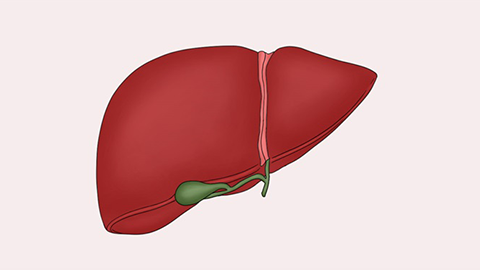
1. Intense Physical Activity
Following intense exercise, the body's metabolism and blood circulation accelerate. The liver may temporarily fail to fully adapt to and complete its metabolic functions, possibly causing a transient increase in direct bilirubin. Usually, no specific treatment is required. It is recommended to rest appropriately and avoid excessive exercise.
2. Excessive Alcohol Consumption
Long-term or excessive alcohol consumption can damage liver cells, thereby affecting bilirubin metabolism and excretion, resulting in elevated direct bilirubin levels. Symptoms such as fatigue, loss of appetite, and liver area pain may accompany this condition. It is recommended to maintain healthy lifestyle habits, abstain from alcohol, and drink more water to promote alcohol metabolism.
3. Alcoholic Liver Disease
Chronic heavy alcohol consumption can damage liver cells and lead to alcoholic liver disease, which may reduce the liver cells' ability to metabolize and excrete bilirubin, causing accumulation of direct bilirubin in the blood. Patients often experience symptoms such as fatigue, loss of appetite, and jaundice. It is recommended to take medications such as Metadoxine Capsules, Silymarin Capsules, and Prednisone Acetate Tablets under a physician's guidance.
4. Hepatitis
Infections caused by viruses, bacteria, and other pathogens may lead to hepatitis. Hepatitis damages liver cells and affects the uptake, conjugation, and excretion of bilirubin, resulting in elevated levels of direct bilirubin in the blood. Symptoms such as fatigue, loss of appetite, and dark yellow urine may also occur. It is recommended to take medications such as Azathioprine Tablets, Bicyclol Tablets, and Recombinant Human Interferon α2b Injection under a physician's guidance.
5. Gallstones
Cholecystitis is mainly caused by obstruction of the cystic duct, bacterial infection, and other factors. When stones block the bile duct, bile excretion is impeded, preventing direct bilirubin in bile from entering the intestines smoothly and causing it to reflux into the bloodstream, leading to elevated direct bilirubin levels. Symptoms such as abdominal pain, jaundice, and fever may accompany this condition. It is recommended to follow medical advice and use medications such as Ursodeoxycholic Acid Tablets, Anti-inflammatory and Gallbladder-soothing Tablets, and Danka Capsules to alleviate symptoms.
It is recommended to maintain a regular routine and ensure sufficient sleep to enhance physical immunity and reduce the risk of illness.