


Can mint leaves be eaten raw?

Whether mint leaves can be eaten raw depends on the variety and hygiene conditions. Edible varieties that are clean can be eaten raw, while ornamental varieties or those contaminated should not be consumed raw. The detailed analysis is as follows:
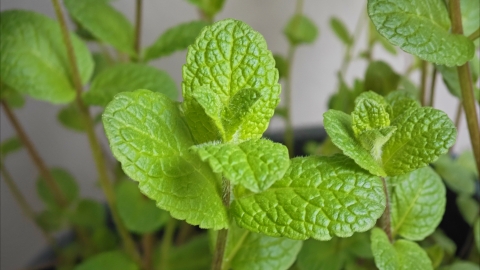
If the mint leaves are of an edible variety, such as spearmint or lemon mint, and no pesticides were used during growth, and they have been thoroughly rinsed under running water after harvesting to remove surface dust, impurities, and attached bacteria, then these mint leaves can be eaten raw. Chewing them directly or using them in salads with other ingredients best preserves nutrients such as menthol and vitamins. The fresh taste and unique aroma can also stimulate appetite and improve breath odor.
However, if the mint leaves are ornamental varieties, or were grown in poor conditions, treated with insecticides, or inadequately washed, they should not be eaten raw. Ornamental mint leaves might contain unknown harmful substances; mint leaves contaminated with pesticide residues or bacteria may irritate the gastrointestinal tract, causing discomfort such as abdominal pain and diarrhea, and even harm overall health.
Before consuming mint leaves, it is essential to carefully identify the variety, ensure the growing environment is safe, and thoroughly wash the leaves. If their safety cannot be confirmed, it is advisable to avoid eating them raw to prevent unexpected health issues.


