What are the causes of increased intracranial pressure induced by chilled beverages?
Jun 25, 2025
Source: Cainiu Health

Dr. Tian Hongbo
Introduction
Drinking a large amount of chilled beverages in a short period can cause rapid contraction of intracranial blood vessels due to the cold stimulation, followed by reflexive dilation. This dramatic change in vascular constriction and dilation increases intracranial pressure, often accompanied by symptoms such as headache and dizziness. To prevent this, avoid consuming large quantities of chilled beverages within a short time. If chilled beverages have already been consumed, you may drink some warm water to alleviate vascular irritation.
Generally, the consumption of chilled beverages inducing increased intracranial pressure may be caused by abnormal cerebral vessels, nervous system dysregulation, migraine, cervical spondylosis, hypertension, and other factors. Management should be based on individual conditions. It is recommended to visit a hospital promptly and follow medical advice for treatment. Detailed analysis is as follows:
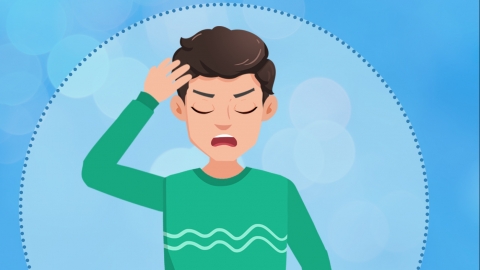
1. Cerebrovascular abnormalities: Drinking large amounts of chilled beverages in a short time can cause cold stimulation, leading to rapid vasoconstriction followed by reflex vasodilation within the cranium. These abrupt vascular changes in constriction and dilation can elevate intracranial pressure, often accompanied by symptoms such as headache and dizziness. To alleviate this, avoid consuming large quantities of chilled beverages in a short time. If already consumed, drink some warm water to ease vascular irritation.
2. Nervous system dysregulation: Chilled beverages may stimulate cold receptors in the oral cavity and pharynx, affecting autonomic nervous regulation through nerve conduction, thereby interfering with neuroregulation of cerebral vessels. This vascular dysregulation can elevate intracranial pressure, potentially causing head fullness and nausea. It is recommended to sip chilled beverages slowly to reduce stimulation. Massaging the head may also help promote cerebral blood circulation.
3. Migraine: Patients with migraine have cerebral vessels that are more sensitive to stimuli. Chilled beverages may trigger migraine attacks, during which cerebral vasodilation increases intracranial pressure, often accompanied by unilateral pulsating headaches. It is recommended to follow medical advice and use medications such as ibuprofen sustained-release capsules, zolmitriptan tablets, and flunarizine hydrochloride capsules to relieve discomfort.
4. Cervical spondylosis: Cervical vertebral lesions may compress the vertebral artery, affecting cerebral blood supply. After consuming chilled beverages, vasoconstriction can further worsen cerebral hypoperfusion. The body may adjust intracranial pressure to maintain cerebral perfusion, resulting in elevated intracranial pressure, often accompanied by symptoms such as neck pain and stiffness. Patients may follow medical recommendations to use medications such as Jingfukang granules, mecobalamin tablets, and diclofenac sodium sustained-release tablets to aid recovery.
5. Hypertension: Individuals with pre-existing hypertension may experience further elevation in blood pressure after consuming chilled beverages due to vasoconstriction. Increased blood pressure directly raises intracranial vascular pressure, causing elevated intracranial pressure, often presenting as severe headache, vomiting, and blurred vision. Under medical guidance, patients may use medications such as nifedipine sustained-release tablets, irbesartan tablets, and hydrochlorothiazide tablets to control blood pressure, thereby reducing intracranial pressure.
In daily life, it is advisable to consume chilled beverages in moderation according to one's physical condition without excessive intake.