


Can I still eat a loofah if its skin has turned black?

Whether or not the blackened loofah peel is edible depends on the cause of the discoloration. If the blackening is due to oxidation and there are no signs of spoilage, it is safe to eat. However, if the blackening is due to mold or is accompanied by an unpleasant odor, it should not be consumed. Detailed explanation is as follows:
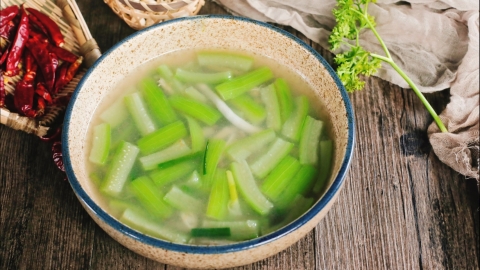
Loofah peels exposed to air may darken due to a reaction between polyphenol oxidase and oxygen. This usually occurs when cut loofah is left for a long time. In such cases, the internal tissue remains unaffected, with no signs of spoilage such as odor or softening. After removing the discolored peel, the flesh can still be safely consumed and its nutritional value remains largely unchanged.
If the blackening of the loofah peel is due to improper storage leading to mold growth, it may be accompanied by symptoms of spoilage such as softening of the flesh and unpleasant odors. In this case, the loofah has spoiled and harmful microorganisms may have proliferated, which could affect health if consumed. Additionally, if the blackening of the peel is due to pests or disease during growth, the internal structure may have been compromised, and consumption is not recommended.
To determine whether blackened loofah peel is safe to eat, check for signs of spoilage such as odor or softening. If the discoloration is only due to oxidation, the flesh can be eaten after removing the peel. However, if spoilage has occurred, the loofah should be discarded to avoid health risks.


