


Is asparagus cold-natured or warm-natured?

Generally speaking, asparagus is considered to be cold in nature. The detailed analysis is as follows:
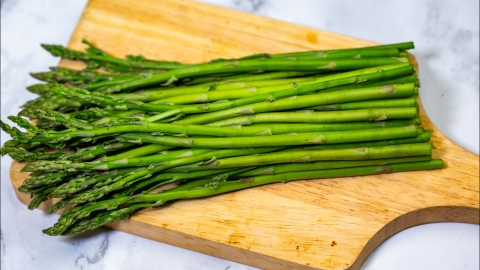
In traditional Chinese medicine theory, asparagus is regarded as slightly cold in nature. Its cold characteristic mainly manifests in the inherent property of the ingredient itself. Compared to warming ingredients like ginger or red dates, asparagus provides a cooler sensation when consumed. Eating it in moderation can help alleviate internal heat, but excessive consumption or eating it raw might affect the gastrointestinal function of individuals with cold constitutions. However, this cold nature can be neutralized through cooking methods or by combining it with other ingredients. For example, cooking asparagus with warming seasonings such as ginger or pepper, or thoroughly boiling it, can reduce its cooling effects, making it more suitable for people with different body types.
To avoid unnecessary harm to the body, it is recommended to assess one's constitution under the guidance of a qualified TCM practitioner before deciding whether to consume asparagus. During consumption, attention should be paid to dietary balance, avoiding excessive intake or combining it with other cold-natured foods like watermelon or bitter melon, which may intensify the cold effect. Additionally, developing healthy lifestyle habits, such as moderate exercise and keeping warm, can help maintain overall health.


