


Do you need to blanch asparagus before stir-frying?

Generally speaking, asparagus should be blanched before stir-frying. The details are as follows:
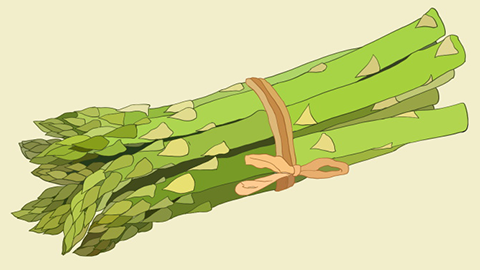
Asparagus contains oxalic acid, which can not only affect the taste when stir-fried directly, but also potentially combine with calcium in the human body to form calcium oxalate, thereby interfering with calcium absorption and even increasing the risk of kidney stones. Blanching effectively removes most of the oxalic acid, improves the bitterness of asparagus, and makes it taste fresher and sweeter. In addition, blanching quickly cooks the asparagus slightly, reducing stir-frying time and better preserving its bright green color and crisp, tender texture. The high temperature used in blanching also helps eliminate any potential surface bacteria and pesticide residues, thus enhancing food safety.
When blanching asparagus, a small amount of salt and edible oil should be added to the water to enhance its color. The blanching time should also be well controlled—usually about 2–3 minutes is sufficient. Over-blanching may cause nutrient loss and result in a softer, mushier texture. After blanching, the asparagus should be quickly removed and placed into cold water to cool, which helps maintain its crispness and prevents it from continuing to cook and becoming overdone due to residual heat.


