


Can I eat asparagus during the recovery period of gastric cancer?
Jun 27, 2025
Source: Cainiu Health

Dr. Qi Zhirong
Introduction
During the recovery phase of gastric cancer, if the digestive function is good and there are no issues such as allergies, asparagus can provide energy and promote physical recovery due to its nutritional components, including vitamins, minerals, and dietary fiber. Consuming asparagus in moderation, prepared through light cooking methods such as stir-frying or steaming, can retain its nutrients and make them easier to digest and absorb, thereby offering certain benefits for body regulation during the recovery period.
Generally, during the recovery phase of gastric cancer, asparagus can be consumed in moderation when the digestive function is normal and there are no allergies or discomfort. However, it should be avoided if the digestive system is weak, the patient is allergic to asparagus, or there are severe gastrointestinal reactions. If any abnormalities occur, prompt medical attention is recommended. Detailed explanations are as follows:
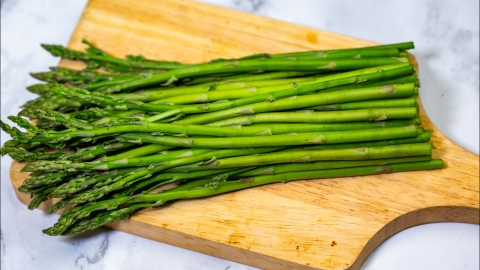
If digestive function is good and there are no allergic reactions or other issues during the gastric cancer recovery phase, asparagus can provide essential nutrients such as vitamins, minerals, and dietary fiber, helping to replenish energy and promote recovery. Consuming asparagus in moderation, prepared using light cooking methods such as stir-frying or steaming, can preserve its nutritional value and aid digestion, thereby supporting the recovery process.
However, if digestive function is impaired during the recovery phase, the relatively coarse fiber in asparagus may increase the burden on the gastrointestinal tract, potentially causing discomfort such as bloating or abdominal pain. Individuals allergic to asparagus should also avoid it, as consumption may lead to allergic reactions such as rashes and itching, which can interfere with recovery. Additionally, if significant gastrointestinal discomfort exists, asparagus should be avoided to prevent further strain on the body.
Dietary choices during the recovery phase of gastric cancer require special attention. Food selection should be based on individual digestive capacity and overall health status. Cooking methods should emphasize light flavors and soft textures. When necessary, consultation with a physician or nutritionist to develop a personalized dietary plan is advised.




