Can patients with pneumonia eat asparagus?
Jun 27, 2025
Source: Cainiu Health

Dr. Ren Yi
Introduction
Whether pneumonia patients can eat asparagus depends on the stage of their condition. When the condition is stable and digestive function is normal, consuming moderate amounts of asparagus can provide rich nutrients that aid in recovery. However, during an acute exacerbation phase, when digestive function is weakened, asparagus—being high in dietary fiber and having a tough texture—may increase the burden on the gastrointestinal system and is therefore not recommended. In any case, asparagus should be prepared using light cooking methods, and portion sizes should be controlled.
Whether a pneumonia patient can eat asparagus depends on the stage of the illness. When the patient's condition is stable and digestive function is normal, asparagus can be consumed. However, during the acute phase or when digestive function is weakened, it is not recommended. The analysis is as follows:
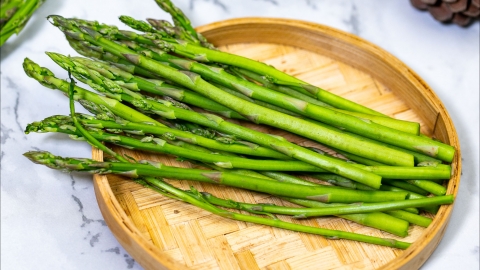
When a pneumonia patient's condition stabilizes, with effectively controlled symptoms such as fever and cough, and digestive function has largely returned to normal, moderate consumption of asparagus can be beneficial. Asparagus is rich in vitamin C, vitamin K, dietary fiber, and various minerals. Vitamin C helps enhance immune function, assisting the body in fighting off pathogens; dietary fiber promotes intestinal motility, prevents constipation, maintains normal digestive function, and aids the patient's recovery.
If a pneumonia patient is in the acute phase, experiencing symptoms such as fever and severe coughing, gastrointestinal function may also be weakened due to the illness, leading to poor appetite and indigestion. Although asparagus is nutritious, it contains significant dietary fiber and has a relatively firm texture. When digestive function is impaired, consuming asparagus may increase the burden on the gastrointestinal tract, potentially causing discomfort such as bloating and abdominal pain, which is unfavorable for recovery. Therefore, asparagus is not suitable during this stage.
Regardless of whether pneumonia patients consume asparagus or not, it should be prepared using light cooking methods such as steaming or boiling. Fried or greasy preparations should be avoided. Additionally, portion control is important to prevent excessive intake at one time, which could burden the gastrointestinal system.