


Can patients with kidney stones eat asparagus?

Whether patients with stones can eat asparagus depends on the type of stone. Patients with oxalate stones should avoid it, while patients with non-oxalate stones can consume it in moderation. Detailed analysis is as follows:
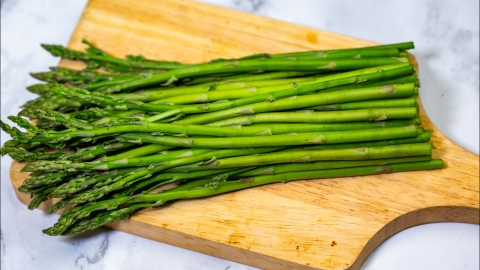
Oxalate stones are common among urinary tract stones, and asparagus is a vegetable with relatively high oxalate content. After consuming asparagus, oxalate levels in the body increase for patients with oxalate stones. Excess oxalate easily combines with calcium to form calcium oxalate, increasing the risk of stone formation or recurrence and worsening the condition. Therefore, patients with oxalate stones should avoid eating asparagus and choose low-oxalate vegetables instead.
Non-oxalate stones, such as uric acid stones and cystine stones, have different formation mechanisms compared to oxalate stones. For patients with these types of stones, the oxalate content in asparagus does not negatively affect their stone condition. Moderate consumption of asparagus can provide essential nutrients like vitamins and dietary fiber, enhance immune function, and aid in recovery.
Patients with stones should strictly manage their daily diet. In addition to monitoring foods like asparagus, they should also limit the intake of high-calcium and high-purine foods, drink plenty of water to promote urination, and reduce factors contributing to stone formation.


