


What causes abnormal uterine bleeding?
Jun 30, 2025
Source: Cainiu Health

Dr. Zhang Lu
Introduction
During ovulation, women experience a temporary drop in estrogen levels, which causes partial shedding of the endometrium due to loss of hormonal support, resulting in slight vaginal bleeding. This type of bleeding usually occurs midway between two menstrual periods and lasts for 1–3 days. Generally, no special treatment is required. Adequate rest and maintaining genital hygiene will allow the bleeding to stop on its own.
Normally, abnormal uterine bleeding may be caused by ovulation period bleeding, taking emergency contraceptive pills, endometritis, endometrial polyps, uterine fibroids, etc. If abnormalities occur, timely medical attention is recommended. Detailed analysis is as follows:
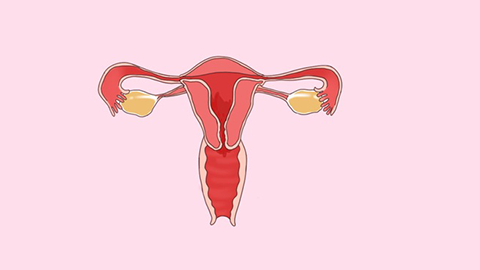
1. Ovulation period bleeding: During ovulation, a temporary drop in estrogen levels causes partial shedding of the endometrium due to loss of hormonal support, resulting in slight vaginal bleeding. This bleeding usually occurs between two menstrual periods and lasts for 1-3 days. Generally, no special treatment is required; rest and maintaining genital hygiene can allow the bleeding to stop on its own.
2. Taking emergency contraceptive pills: Emergency contraceptive pills contain large amounts of progestin. After consumption, they cause a significant fluctuation in hormone levels within a short time, leading to abnormal proliferation and shedding of the endometrium and resulting in irregular vaginal bleeding. Symptoms such as nausea, vomiting, and menstrual cycle disorders may also occur. Recovery generally occurs naturally.
3. Endometritis: Inflammation caused by bacterial invasion of the endometrium leads to endometrial congestion, edema, necrosis, causing abnormal uterine bleeding, often accompanied by lower abdominal pain, increased vaginal discharge with thick consistency and odor. Severe cases may present with fever symptoms. Treatment requires following medical advice to use Metronidazole tablets, Levofloxacin Hydrochloride capsules, Fuke Qianjin tablets to relieve symptoms and control inflammation progression.
4. Endometrial polyps: Localized excessive proliferation of the endometrium forms polyps. The surface of the polyps contains abundant blood vessels that are prone to rupture, leading to non-menstrual period bleeding or prolonged menstruation and increased menstrual flow. Some patients may have no obvious symptoms and are often discovered during gynecological examinations. Treatment mainly involves surgical removal, such as hysteroscopic polypectomy, to remove the polyps and relieve symptoms.
5. Uterine fibroids: Fibroids compressing the uterine muscle layer or endometrium affect uterine contraction, leading to vascular rupture and bleeding, causing increased menstrual flow and prolonged menstruation. Submucosal fibroids may also result in irregular vaginal bleeding. Associated symptoms include frequent urination, abdominal pain, and abdominal mass. Treatment can involve following medical advice to choose medications such as Mifepristone tablets, Guizhi Fuling capsules, and Gongliu Xiao capsules to reduce the size of the fibroids according to their size and associated symptoms.
It is recommended to maintain a healthy lifestyle, ensure adequate sleep, improve dietary structure, adjust physical condition, and maintain overall health.


