


What causes dry lips?
Jun 30, 2025
Source: Cainiu Health

Dr. Liu Wenmin
Introduction
Under normal circumstances, "嘴皮" refers to the lips. Dry lips may be caused by insufficient water intake, dry climate, cheilitis, diabetes, Sjögren's syndrome, or other conditions. If discomfort occurs, prompt medical attention is recommended. It is important to maintain adequate hydration, avoid bad habits such as lip licking or biting, maintain a balanced diet, and avoid consuming excessive spicy or irritating foods.
Generally speaking, "mouth skin" refers to the lips. Dry lips may be caused by insufficient water intake, dry climate, cheilitis, Sjögren's syndrome, diabetes, or other reasons. If discomfort occurs, timely medical consultation is recommended. Detailed analysis is as follows:
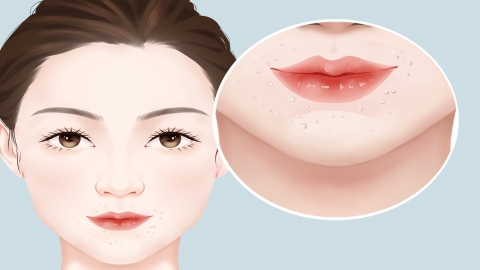
1. Insufficient water intake
If water intake is too low, the body will be in a dehydrated state. The skin and mucous membranes of the lips cannot receive sufficient hydration, and the rate of water loss exceeds the rate of replenishment, leading to dry lips. Usually, no medication is required; increasing water intake and developing a habit of drinking water regularly is sufficient.
2. Dry climate
In dry seasons, such as autumn and winter, the humidity in the air is low, causing rapid evaporation of moisture from the surface of the lips into the air. At the same time, low temperatures can impair circulation in the lips, potentially slowing down metabolism and weakening the skin barrier function, making it difficult to retain moisture effectively, thus causing dry lips. Usually, no medication is required. Using a humidifier to increase environmental humidity and avoiding prolonged exposure to dry environments can help alleviate the condition.
3. Cheilitis
Cheilitis may be related to contact allergens, sunlight exposure, local irritation, and other factors. It may lead to inflammatory reactions in the lips, impairing the mucosal barrier function and causing moisture loss, resulting in the aforementioned symptoms. It may also be accompanied by symptoms such as lip swelling and itching. Treatment may include medications such as Loratadine tablets, Cetirizine hydrochloride tablets, and Mupirocin ointment, under the guidance of a physician.
4. Sjögren's syndrome
Sjögren's syndrome is an autoimmune disease that primarily affects exocrine glands such as the salivary and lacrimal glands. The immune system attacking these glands may impair their function, leading to reduced saliva production. When saliva secretion is insufficient, the lips lose moisture and become dry. Symptoms such as dry eyes and dry mouth may also occur. Patients may use medications such as Hydroxychloroquine sulfate tablets, Total glucosides of paeony capsules, and Cyclosporine soft capsules under a physician's recommendation for treatment.
5. Diabetes
Diabetes is a chronic condition caused by multiple factors including genetic predisposition, unhealthy lifestyle habits, obesity, and viral infections, leading to insufficient insulin secretion or insulin resistance. High blood sugar levels can affect nerve and vascular functions, potentially causing abnormal circulation and nerve regulation in the lips, resulting in inadequate supply of nutrients and moisture to the lips and causing dryness. It may also be accompanied by symptoms such as frequent urination and increased appetite. Patients may follow medical advice to use medications such as Metformin hydrochloride tablets, Glipizide tablets, and Acarbose tablets to control blood sugar levels.
In daily life, it is important to maintain adequate hydration, correct bad habits such as lip licking and biting, ensure a balanced diet, and avoid excessive consumption of spicy and irritating foods. Additionally, proper lip care should be practiced, including the use of suitable lip balm.





