


What does RAC mean in a gastroscopy examination?
Jul 01, 2025
Source: Cainiu Health

Dr. Shen Yonghua
Introduction
Under normal circumstances, RAC observed during gastroscopy refers to the regular arrangement of collecting venules in the gastric fundus and cardia mucosa. It is an observational indicator used during gastroscopy and serves as an auxiliary tool for assessing gastric health and Helicobacter pylori infection status. To prevent gastric mucosal lesions and abnormal RAC in daily life, it is recommended to maintain good dietary habits.
In general, RAC observed during gastroscopy refers to the regular arrangement of collecting small veins in the gastric fundus and cardia mucosa. It is an observation parameter during gastroscopy and serves as an auxiliary indicator for assessing gastric health and Helicobacter pylori infection. Detailed analysis is as follows:
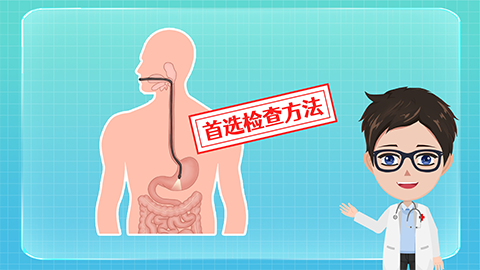
Under normal circumstances, the collecting venules in the gastric corpus display a regular star-like pattern. During gastroscopy, this appears as small, red, dot-like or linear arrangements, indicating positive RAC. A positive RAC typically suggests the absence of significant mucosal inflammation, atrophy, intestinal metaplasia, or other lesions, and indicates a low likelihood of Helicobacter pylori infection. Conversely, a negative RAC (i.e., irregular morphology or absence of collecting venules in the fundic and cardia mucosa) suggests a higher probability of Helicobacter pylori infection. However, RAC is only an auxiliary parameter during gastroscopy. A definitive diagnosis of gastric disease still requires integration of clinical symptoms, other test results, and the physician's comprehensive evaluation.
In daily life, to prevent gastric mucosal lesions and abnormal RAC findings, it is recommended to maintain healthy dietary habits and avoid excessive consumption of spicy, greasy, or irritating foods that may damage the gastric mucosa. It is advisable to consume bland, easily digestible foods such as vegetables, fruits, and porridge.



