


Can sitting for long periods cause hemorrhoids?
Jul 01, 2025
Source: Cainiu Health

Dr. Li Jingxiang
Introduction
When maintaining a seated position for prolonged periods, the hemorrhoidal venous plexus in the anorectal area experiences impaired venous return due to gravitational effects, leading to a sustained increase in venous pressure. This can easily result in vascular tortuosity and dilation, gradually forming hemorrhoids. Prolonged sitting also causes continuous compression of the gluteal muscles, disrupting local blood circulation and reducing tissue elasticity around the anus, further increasing the likelihood of developing hemorrhoids.
Generally, prolonged sitting may lead to hemorrhoids, especially for those who sit for extended periods regularly, as they face a higher risk. If any abnormalities occur, it is recommended to seek medical attention promptly. Detailed analysis is as follows:
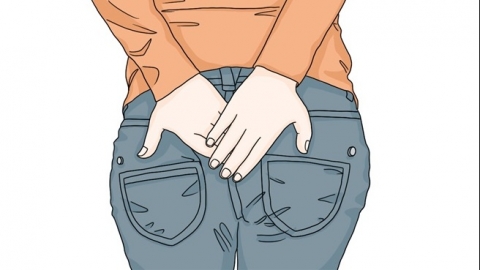
When maintaining a seated position for a long time, the gravitational effect impedes venous return in the anal and rectal areas, causing持续 elevated pressure within the veins. This can easily lead to venous tortuosity and dilation, gradually forming hemorrhoids. Prolonged sitting also places continuous pressure on the gluteal muscles, impairing local blood circulation and reducing tissue elasticity around the anus, further increasing the likelihood of hemorrhoids. Office workers, drivers, and other occupational groups are particularly susceptible.
If appropriate movement is maintained while sitting for long periods, avoiding continuous sitting, the risk of developing hemorrhoids can be reduced to some extent. For example, getting up and walking around periodically, or performing anal lift exercises to promote local blood circulation and improve venous return in the anal and rectal regions, may decrease the chance of venous congestion and dilation, thus lowering the likelihood of developing hemorrhoids.
To prevent hemorrhoids caused by prolonged sitting, it is important to avoid sitting continuously for long periods, stand up and move around every hour or so, perform anal lift exercises regularly, maintain a light diet, ensure smooth bowel movements, and reduce adverse irritation to the anal and rectal areas.





