


Will hemorrhoid granulation tissue resolve on its own?
Jul 01, 2025
Source: Cainiu Health
Dr. Li Jingxiang
Introduction
If the hemorrhoidal granulation tissue is small in size, without significant pain, bleeding, or other discomfort, and is in a quiescent phase, its progression may be controlled through improvements in lifestyle habits, although complete resolution is difficult. Maintaining anal hygiene, avoiding prolonged sitting or standing, and adjusting diet to prevent constipation can reduce irritation to the granulation tissue and prevent further enlargement. However, existing granulation tissue resulting from local hyperplasia is unlikely to regress spontaneously.
Hemorrhoidal granulation tissue generally does not resolve spontaneously and requires intervention depending on the specific circumstances. If abnormalities occur, prompt medical attention is recommended. Detailed analysis is as follows:
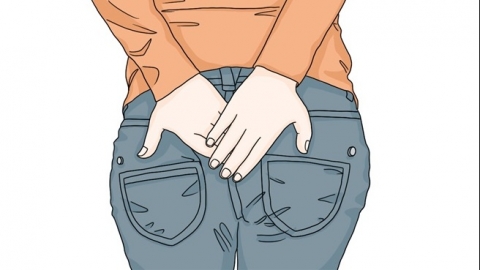
If the hemorrhoidal granulation tissue is small in size, without significant pain, bleeding, or other discomfort, and is in a stationary phase, its progression may be controlled by improving lifestyle habits, although complete elimination is difficult. Maintaining anal hygiene, avoiding prolonged sitting or standing, and adjusting diet to prevent constipation can reduce irritation to the granulation tissue and prevent further enlargement. However, existing granulation tissue caused by local hyperplasia is unlikely to regress spontaneously.
When the hemorrhoidal granulation tissue is large in size and accompanied by swelling, pain, bleeding, or affects defecation, it cannot resolve on its own and requires medical management. Such granulation tissue often results from recurrent hemorrhoids or local infection. Without timely intervention, it may gradually enlarge and worsen symptoms. Treatment under a physician's guidance, such as medication or surgical excision, is usually required to relieve symptoms and improve quality of life.
Upon discovering hemorrhoidal granulation tissue, do not attempt self-treatment. Seek timely medical evaluation to determine the condition and allow a physician to develop an appropriate treatment plan. Maintain proper anal hygiene, avoid irritating the granulation tissue, and adjust lifestyle habits to prevent hemorrhoid flare-ups and further progression of the granulation tissue.





