


Are there brain-eating parasites in fruits?
Jul 04, 2025
Source: Cainiu Health

Dr. Shen Yonghua
Introduction
If the soil or irrigation water where fruits grow is contaminated with amoebas, the parasites may adhere to the surface of the fruits, especially those with rough or damaged peels, which are more likely to harbor pathogens. In addition, fruits may become contaminated with amoebas through contact with polluted containers or environments during transportation and storage. If the fruits are not thoroughly washed before consumption, the parasites may be ingested.
The term "brain-eating amoeba" generally refers to Naegleria fowleri. Whether fruits contain amoeba depends on the growth environment and hygiene conditions of the fruit. Fruits may carry amoeba if they grow in a contaminated environment and are not thoroughly cleaned, whereas fruits grown in a clean environment and adequately washed are unlikely to carry amoeba. Detailed analysis is as follows:
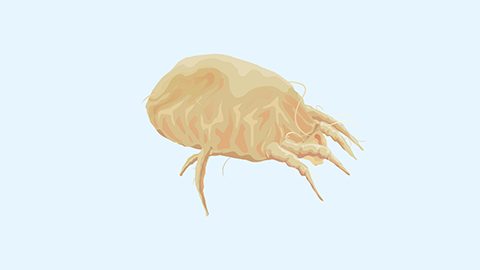
If the soil or irrigation water in the growing area is contaminated with amoeba, the organisms may adhere to the fruit's surface, especially on fruits with rough or damaged skins, which are more likely to harbor pathogens. Additionally, during transportation and storage, fruits may become contaminated through contact with polluted containers or environments. If the fruits are not thoroughly washed before consumption, amoeba may be ingested.
Fruits grown in areas far from pollution sources, using purified irrigation water, and handled hygienically during harvesting, transportation, and storage without exposure to contaminants, are unlikely to carry amoeba. Effectively rinsing the fruits thoroughly under running water or peeling them before consumption can efficiently remove any amoeba that might adhere to the surface. In such cases, the fruits generally do not contain amoeba.
Before eating fruits, thoroughly rinse them under running water. When necessary, soak them in salt water or peel them. Avoid consuming fruits with damaged skin or signs of spoilage. Maintaining environmental hygiene during fruit cultivation, transportation, and storage can help reduce contamination risks at the source. If abdominal pain, diarrhea, or similar symptoms occur after consuming contaminated fruit, seek medical attention promptly for diagnosis.


