


Does a slightly smaller uterus affect pregnancy?

Generally, if the uterus is slightly small but there are no other abnormalities, it usually does not affect pregnancy. However, if other abnormal symptoms are present, fertility may be impacted. If discomfort occurs, timely medical consultation and treatment at a regular hospital are recommended. Detailed analysis is as follows:
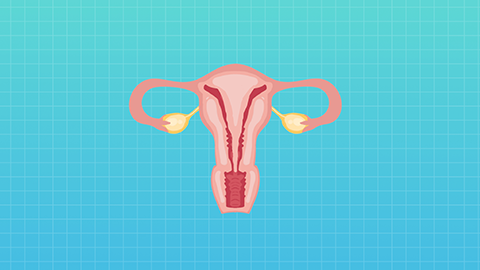
Uterine size varies individually. If only mild uterine underdevelopment exists, with normal ovarian function, regular ovulation, appropriate endometrial thickness, patent fallopian tubes, stable hormone levels, and normal myometrial function providing a fundamental environment for embryo implantation and development, this isolated finding typically does not impair fertility. In such cases, the reproductive endocrine system maintains normal physiological cycles, allowing regular ovulation, fertilization, and subsequent implantation and growth within the uterus. During pregnancy, the uterus can appropriately enlarge along with embryonic development to meet gestational demands.
When uterine hypoplasia coexists with other abnormalities, adverse effects on fertility are often observed. For example, concomitant ovarian dysfunction may cause ovulatory disorders or hormonal imbalances, affecting oocyte quality and endometrial receptivity. Uterine malformations such as infantile uterus or unicornuate uterus may restrict embryonic growth space due to abnormal morphology and structure, increasing risks of miscarriage and preterm birth. Endocrine disorders like thyroid dysfunction or hyperprolactinemia may interfere with normal reproductive axis function, hindering conception. Additionally, conditions such as thin endometrium or poor myometrial development may compromise embryo implantation and development, thereby reducing pregnancy success rates.
Women with uterine hypoplasia are advised to undergo preconception evaluation including sex hormone assays and three-dimensional ultrasound measurement of uterine volume to assess uterine status and functional capacity. During pregnancy, regular prenatal checkups with ultrasound and fetal heart monitoring are recommended to evaluate fetal well-being and uterine changes.


