


What complications can hyperthyroidism cause?

Under normal circumstances, hyperthyroidism generally causes complications such as thyroid storm, arrhythmia, osteoporosis, thyroid-associated ophthalmopathy, and thyrotoxic myopathy. If any abnormalities occur, timely medical attention is recommended. Detailed explanations are as follows:
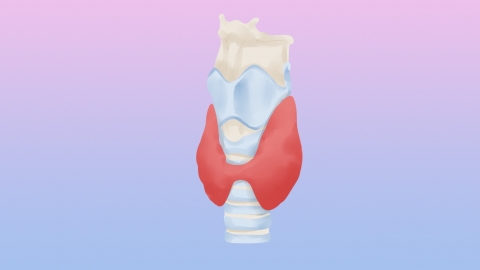
1. Thyroid Storm: Thyroid storm is a severe complication, often triggered by factors such as infection or surgery. It presents with high fever, tachycardia, restlessness, and in severe cases may lead to shock, endangering life. Emergency treatment is required.
2. Arrhythmia: Excess thyroid hormone accelerates the heart's rhythm, causing arrhythmias such as atrial fibrillation. Patients often experience palpitations and shortness of breath, and long-term uncontrolled arrhythmia can lead to cardiac enlargement and impair heart function.
3. Osteoporosis: Excessive thyroid hormone accelerates the loss of calcium from bones, leading to osteoporosis. Patients may easily develop bone pain and fractures, particularly affecting areas such as the spine and hips.
4. Thyroid-Associated Ophthalmopathy: Some patients develop eye problems such as exophthalmos (bulging eyes), eyelid swelling, and vision loss. In severe cases, eye movement becomes restricted, and even corneal damage may occur, affecting normal vision.
5. Thyrotoxic Myopathy: This manifests as muscle weakness and atrophy, particularly affecting the limb muscles. Patients experience reduced exercise tolerance, and in severe cases, daily activities such as walking and lifting objects may become restricted.
When symptoms of hyperthyroidism appear, timely medical treatment is necessary to control thyroid hormone levels. Additionally, adequate rest should be taken, overexertion avoided, and the risk of complications minimized.


