


Is hysterectomy required for the treatment of adenomyosis?
Jul 09, 2025
Source: Cainiu Health

Dr. Zhang Lu
Introduction
In general, if a patient with adenomyosis has mild symptoms, hysterectomy is usually not required. However, if the symptoms are severe, hysterectomy may be necessary. If discomfort occurs, it is recommended to seek timely treatment at a正规 hospital. When deciding on a treatment plan, patients should fully communicate with their doctors, understand the advantages and disadvantages of various treatment methods, and be aware of potential risks and complications.
Generally, if the symptoms of adenomyosis are mild, hysterectomy usually is not required; however, if the patient's condition is severe, hysterectomy may be necessary. If discomfort occurs, it is recommended to seek timely diagnosis and treatment at a regular hospital. Detailed analysis is as follows:
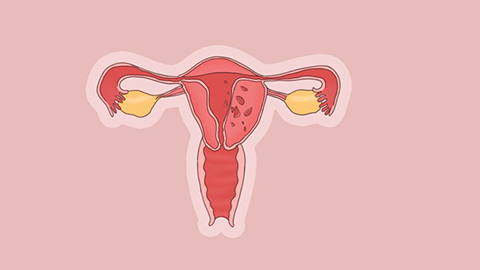
When the symptoms of adenomyosis are mild, hysterectomy typically is not necessary. These patients often only experience mild dysmenorrhea, slightly increased menstrual flow, or mildly prolonged menstruation, with minimal impact on daily life and work, and no significant abnormalities in uterine size. Clinically, conservative treatments are often used, such as taking nonsteroidal anti-inflammatory drugs under a doctor's guidance to relieve pain, or using progestin to regulate hormone levels and control disease progression. Patients are also advised to have regular follow-up examinations to monitor lesion changes and achieve stable disease management through scientific monitoring.
If the patient's condition is severe, hysterectomy may need to be considered. Patients with severe adenomyosis commonly experience severe, progressively worsening dysmenorrhea that is difficult to alleviate with medication. It may also be accompanied by significantly increased menstrual flow, markedly prolonged menstruation, and even complications such as anemia. In some patients, the uterus may become uniformly enlarged, affecting normal uterine function. For patients who do not desire future fertility, for whom conservative treatment is ineffective, and whose symptoms severely impact quality of life, hysterectomy can fundamentally resolve the issues caused by the lesions, effectively alleviate symptoms, and improve quality of life. The specific surgical approach must be comprehensively evaluated and determined by a doctor based on the patient's age and physical condition.
When deciding on a treatment plan, patients should fully communicate with their doctors, understanding the advantages and disadvantages of various treatment methods, as well as possible risks and complications. At the same time, maintaining good lifestyle and dietary habits, avoiding excessive fatigue and mental stress, can also help alleviate symptoms and improve quality of life.


