


Is the hard area in the lower abdomen the uterus?

Generally, a hard lower abdomen may be due to the uterus during the second and third trimesters of pregnancy or when the uterus is abnormally enlarged. When not pregnant and the uterus is of normal size, this is not usually the case. If abnormalities are present, timely medical consultation is recommended. Detailed analysis is as follows:
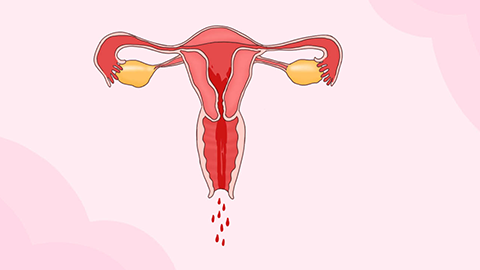
In the second and third trimesters of pregnancy, the uterus gradually enlarges along with fetal growth and extends beyond the pelvic cavity. A firm, well-defined uterus can be felt in the lower abdomen, and its position moves upward as the gestational age increases. It is typically non-tender upon palpation and related to fetal growth and development.
In non-pregnant women, the normal uterus resides within the pelvic cavity and is not palpable in the lower abdomen. If the lower abdomen feels hard, it might be caused by fecal impaction in the intestine, abdominal tumors, bladder distension, or other similar conditions. These conditions differ from the uterus in terms of touch hardness and shape, and may be accompanied by other discomforts such as bloating and abdominal pain.
When a hard sensation appears in the lower abdomen, it is important to observe whether symptoms such as menstrual irregularities or abdominal pain are also present. If symptoms persist or do not improve, timely medical evaluation should be sought, using ultrasound or other methods to identify the cause and avoid delayed diagnosis.


