


Is the shedding of the endometrium good or bad?

Generally speaking, if endometrial shedding is caused by physiological factors, it is considered normal; however, if it is caused by pathological factors, it indicates an abnormal condition. If discomfort occurs, it is recommended to seek timely medical consultation and treatment at a qualified hospital. Detailed analysis is as follows:
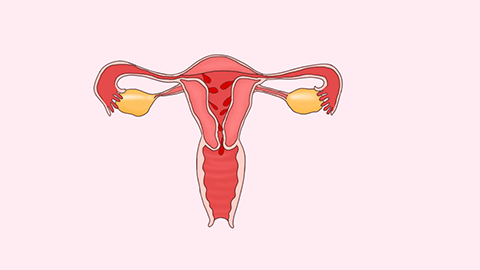
If endometrial shedding is caused by physiological factors, it is a normal physiological phenomenon and indicates a healthy condition. After entering puberty, with the cyclical changes of the ovaries, the endometrium undergoes periodic shedding, forming menstruation. This kind of shedding reflects the body's metabolism and helps expel old endometrial cells and menstrual blood, maintaining the normal function of the reproductive system, preparing for subsequent endometrial growth and implantation of the fertilized egg, and serving as an important indicator of female reproductive health.
If endometrial shedding is caused by pathological factors, it indicates an abnormal condition. For example, endocrine disorders leading to hormonal imbalances may cause irregular endometrial shedding, resulting in menstrual cycle disorders, prolonged menstruation, or excessive menstrual bleeding. Conditions such as endometritis and endometrial polyps may also lead to abnormal shedding, which not only affects menstruation but can also interfere with the implantation of a fertilized egg and even lead to complications such as anemia, adversely affecting women's health.
In daily life, attention should be paid to changes in the menstrual cycle, menstrual flow, and duration of menstruation. If abnormalities occur, such as sudden prolongation or shortening of the menstrual period, significant increase or decrease in menstrual flow, or bleeding outside the menstrual period, timely medical consultation and examination are recommended. Maintaining good lifestyle habits, avoiding excessive fatigue and mental stress, eating a balanced diet, and engaging in appropriate physical activity can help maintain endocrine stability and reduce the occurrence of pathological endometrial shedding.


