


Is leg cramping a sign of calcium deficiency?
Jul 10, 2025
Source: Cainiu Health

Dr. Sun Lianqing
Introduction
In general, leg cramps may be caused by calcium deficiency or other factors. If discomfort occurs, it is recommended to seek timely medical treatment at a reputable hospital. Daily attention should be paid to maintaining a balanced diet and consuming more calcium-rich foods such as milk, soy products, and seafood. When necessary, calcium supplements may be taken under a doctor's guidance. Adequate warm-up before exercise and stretching afterward are also important.
Generally, leg cramps may be caused by calcium deficiency or other factors. If discomfort occurs, it is recommended to seek timely medical consultation at a reputable hospital. Detailed analysis is as follows:
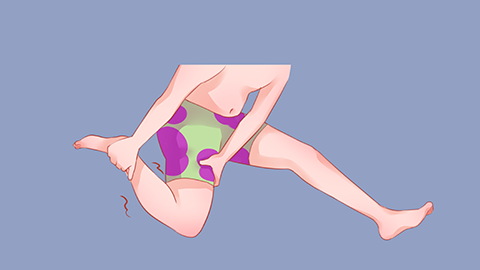
When the body lacks calcium, it can affect the normal physiological function of muscles, increasing muscle excitability and making leg cramps more likely. This condition is commonly seen among adolescents, pregnant women, and elderly individuals. Adolescents are in a peak growth and development stage and require larger amounts of calcium. Pregnant women need to supply calcium to the fetus, and insufficient intake can lead to their own calcium deficiency. Elderly individuals experience weakened intestinal absorption function and accelerated calcium loss, making them prone to calcium-deficiency leg cramps, which often occur at night.
Leg cramps may also be caused by other reasons. For example, after intense exercise, muscle fatigue and lactic acid buildup from metabolism can stimulate the muscles and trigger spasms. Prolonged maintenance of the same posture, such as sitting or standing for long periods, can keep the leg muscles in a tense state, leading to poor blood circulation and subsequent cramps. Additionally, when nerve or muscle function is affected by factors such as herniated lumbar discs compressing nerves or leg exposure to cold, leg cramps may also occur.
In daily life, it is important to maintain a balanced diet and consume more calcium-rich foods such as milk, soy products, and seafood. When necessary, calcium supplements may be taken under a doctor's guidance. Adequate warm-up before exercise and stretching afterward are important to avoid sudden intense physical activity. Keep legs warm to prevent cold exposure. Maintain good sitting and standing postures, and move legs periodically to promote blood circulation. If leg cramps occur frequently and cannot be relieved by the above measures, timely medical consultation is advised to identify the cause and receive targeted treatment.







