


What is the normal range for bilirubin levels?
Jul 10, 2025
Source: Cainiu Health

Dr. Gao Jun
Introduction
In general, the jaundice value refers to the level of bilirubin in the blood, used to assess liver function and bilirubin metabolism. The normal range for jaundice values must be determined based on specific factors such as age and overall health. To avoid misdiagnosis, evaluation of jaundice levels should be conducted in conjunction with clinical symptoms, age-related factors, and laboratory tests, under the guidance of a qualified physician.
Generally, the jaundice value refers to the level of bilirubin in the blood and is used to assess liver function and bilirubin metabolism. The normal range for jaundice values should be determined based on specific factors such as age and health status. If discomfort occurs, timely medical consultation is recommended to clarify the cause and receive symptomatic treatment under a doctor's guidance. Detailed analysis is as follows:
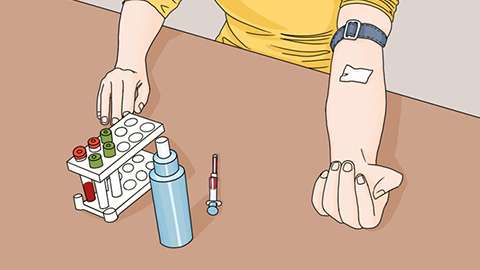
For adults, the normal reference range of total bilirubin is 5.1~19 μmol/L, although some sources state the normal range as 17.1~34.2 μmol/L. Additionally, the normal range for direct bilirubin is 1.7~7 μmol/L, while the normal range for indirect bilirubin is 3.4~13.7 μmol/L. For newborns, the normal range for physiological jaundice includes total bilirubin of 3.4~17.1 μmol/L, direct bilirubin of 0~3.4 μmol/L, and indirect bilirubin of 1.7~10.2 μmol/L.
To avoid misinterpretation, assessment of jaundice values should be conducted under the guidance of a medical professional, incorporating clinical symptoms, age factors, and laboratory tests. In daily life, it is important to monitor signs of jaundice, avoid alcohol consumption and high-fat diets to help maintain liver health.






