


Can hyperthyroidism be cured? Can it be completely cured?

Hyperthyroidism generally refers to hyperfunction of the thyroid gland. Under normal circumstances, hyperthyroidism can achieve good therapeutic effects when detected early, with clear etiology and standardized treatment. However, if it reaches the advanced stage, has a complex etiology, or treatment is delayed, it becomes difficult to achieve ideal results. If any abnormalities occur, timely medical attention is recommended. Detailed analysis is as follows:
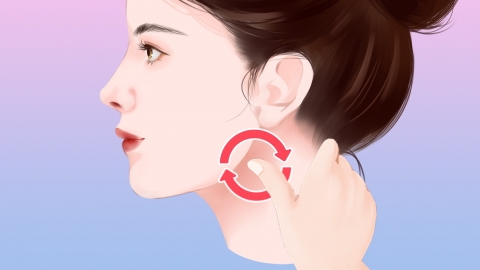
Hyperthyroidism caused by Graves' disease can achieve complete recovery if treated early and properly with anti-thyroid medications for a sufficient duration, and if patients follow medical instructions strictly, thyroid function can return to normal without recurrence after discontinuation of medication. Alternatively, radioactive iodine therapy or surgical treatment can destroy or remove part of the thyroid tissue, effectively controlling thyroid hormone secretion and achieving long-term remission in most cases.
If hyperthyroidism is caused by a hyperfunctioning thyroid adenoma and the tumor is not surgically removed in a timely manner, abnormal hormone secretion may persist and make the condition difficult to cure. Some patients with Graves' disease receive suboptimal drug treatment, such as discontinuing medication without guidance or taking insufficient doses, leading to recurrent disease and potentially chronic progression requiring long-term medication for control, making complete cure unachievable.
After diagnosis of hyperthyroidism, it is essential to determine the underlying cause promptly, strictly follow the treatment plan prescribed by a physician, regularly retest thyroid function, and avoid self-adjusting medications or interrupting treatment to prevent compromising treatment outcomes.


