


What is a child with Down syndrome?
Jul 10, 2025
Source: Cainiu Health

Dr. Zhou Xiaofeng
Introduction
"Down syndrome child" refers to a child with Down syndrome, a common chromosomal abnormality usually caused by the presence of an extra copy of chromosome 21. It is recommended to seek timely medical attention and undergo symptomatic treatment under a doctor's guidance. Currently, Down syndrome cannot be cured, but the quality of life for affected individuals can be improved through education, physical therapy, speech therapy, and other interventions.
Under normal circumstances, "Down syndrome children" refer to children with Down syndrome, a common chromosomal abnormality usually caused by trisomy of chromosome 21. It is recommended to seek medical attention promptly and follow the doctor's guidance for symptomatic treatment. The specific analysis is as follows:
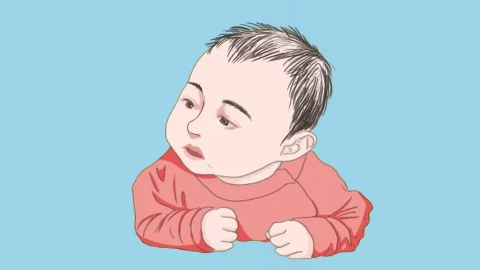
Down syndrome is related to both parents and results from an issue with the fertilized egg; both sperm and egg abnormalities may contribute. Among these, abnormalities in the egg are more likely, with a probability of over 90%. Additionally, family genetic factors, advanced maternal age, and exposure to abnormal substances, radiation, or medications during early pregnancy can all lead to Down syndrome. Intellectual disability is one of the obvious characteristics of children with Down syndrome. Moreover, children with Down syndrome are usually shorter in stature, have short necks, smaller head circumference compared to normal infants, and shorter limbs.
Down syndrome cannot currently be cured, but the quality of life of affected individuals can be improved through education, physical therapy, speech therapy, and other interventions.



