


What are the differences between Forsythia and Weeping Forsythia?

Under normal circumstances, the differences between Jasminum nudiflorum (Winter jasmine) and Forsythia suspensa (Golden bell) are generally reflected in their botanical properties, branch characteristics, flower morphology, nutritional components, and medicinal effects. A detailed analysis is as follows:
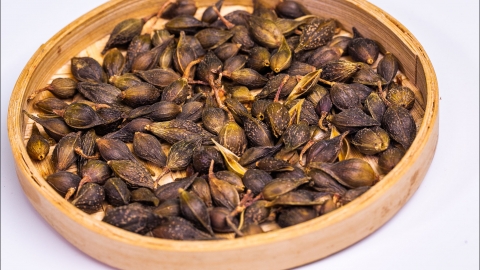
1. Botanical Properties: Jasminum nudiflorum belongs to the Oleaceae family, genus Jasminum, and is a deciduous shrub commonly cultivated as an ornamental plant in gardens and parks. Forsythia suspensa also belongs to the Oleaceae family, but to the genus Forsythia. It is widely distributed in China and has both ornamental and practical value. Although both plants belong to the same family, they are different genera, and thus have fundamental differences in botanical classification.
2. Branch Characteristics: Jasminum nudiflorum has slender, soft, arching, drooping branches that are green in color and smooth in texture without lenticels. Forsythia suspensa has stout branches that are upright or spreading, with a yellowish-brown color and prominent lenticels on the surface.
3. Flower Morphology: Jasminum nudiflorum has solitary flowers growing from the leaf axils, with six petals, golden-yellow in color, and lanceolate-shaped calyx lobes. Forsythia suspensa flowers are either solitary or grow in clusters of two or more, with four petals, also golden-yellow, but with shorter and smaller calyx lobes.
4. Nutritional Components: Jasminum nudiflorum contains iridoid glycosides and flavonoids, with the latter exhibiting antioxidant and antibacterial properties. Forsythia suspensa contains forsythoside and oleanolic acid; forsythoside has antibacterial properties, while oleanolic acid can help enhance immunity.
5. Medicinal Effects: The flowers, leaves, and branches of Jasminum nudiflorum can be used medicinally to promote blood circulation, reduce swelling, relieve fever, and promote diuresis, alleviating symptoms such as sore throat and painful urination. Forsythia suspensa is used medicinally in the form of its fruit, which clears heat and toxins, reduces swelling, and disperses nodules. It is commonly used to treat conditions such as wind-heat colds and abscesses.
These two plants can be distinguished by their morphological characteristics and functional differences. Accurate identification of the species is essential when using them for health or medicinal purposes. Consultation with a professional is recommended before use to ensure safety and efficacy.


