


What are the symptoms of endometrial adhesions?
Jul 14, 2025
Source: Cainiu Health

Dr. Zhang Lu
Introduction
Under normal circumstances, endometrial adhesions are abnormal adhesions formed after injury to the endometrium, and their symptoms mainly include reduced menstrual flow, amenorrhea, dysmenorrhea, infertility, and recurrent miscarriage. If the above symptoms occur in daily life, one can monitor the menstrual cycle and changes in menstrual flow, observe physical condition, and at the same time take care to avoid unnecessary intrauterine procedures.
Generally, endometrial adhesions are abnormal adhesions formed after injury to the endometrium, and their symptoms mainly include reduced menstrual flow, amenorrhea, dysmenorrhea, infertility, and recurrent miscarriages. A detailed analysis is as follows:
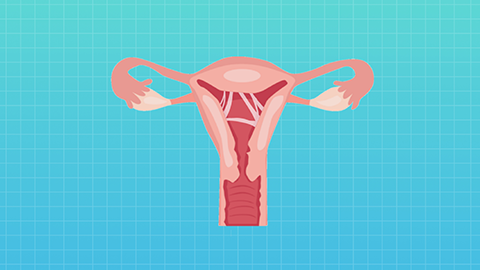
1. Reduced Menstrual Flow: Endometrial adhesions reduce the surface area of the endometrium, leading to a noticeable decrease in menstrual flow. This表现为 a significantly reduced total blood loss during each menstrual period, shortened duration of menstruation, and even spotting. The menstrual blood is often dark red in color.
2. Amenorrhea: Severe endometrial adhesions can cause partial or complete occlusion of the uterine cavity, preventing the normal shedding of the endometrium and resulting in amenorrhea (cessation of menstruation). This type of amenorrhea is usually difficult to restore through medication and indicates a more severe form of endometrial adhesion.
3. Dysmenorrhea: Due to obstruction of menstrual blood flow caused by endometrial adhesions, blood accumulates in the uterus, stimulating uterine contractions and causing dysmenorrhea. The pain is typically spasmodic lower abdominal pain that begins at the onset of menstruation and intensifies as menstrual flow becomes more obstructed. Some patients may experience pain throughout the entire menstrual period.
4. Infertility: The endometrium is where the fertilized egg implants. Adhesions can disrupt the normal structure and function of the endometrium, making it difficult for the fertilized egg to implant, thereby causing infertility. Even if fertilization occurs, normal development of the embryo on the damaged endometrium may not be possible.
5. Recurrent Miscarriage: For women with mild endometrial adhesions who successfully conceive, insufficient endometrial blood supply or abnormal uterine cavity morphology may prevent the embryo from developing in a stable environment, leading to recurrent miscarriages. These miscarriages often occur early in pregnancy and are characterized by embryonic expulsion following vaginal bleeding and abdominal pain.
In daily life, if the above symptoms appear, keeping track of menstrual cycles and changes in menstrual flow, monitoring physical condition, and avoiding unnecessary intrauterine procedures can help protect the endometrium and reduce the occurrence and progression of adhesions.




