


What are the symptoms of uterine adhesions?
Jul 14, 2025
Source: Cainiu Health

Dr. Zhang Lu
Introduction
Under normal circumstances, uterine adhesions are abnormal conditions that occur after damage to the endometrium. Their symptoms mainly include reduced menstrual flow, amenorrhea, dysmenorrhea, infertility, recurrent miscarriages, and so on. If the above symptoms occur in daily life, timely detection can be achieved through regular gynecological examinations. When necessary, appropriate measures should be taken to address the issue, while also paying attention to protecting the endometrium.
Generally, as an abnormal condition occurring after endometrial damage, intrauterine adhesions mainly present symptoms such as reduced menstrual flow, amenorrhea, dysmenorrhea, infertility, and recurrent miscarriages. Detailed analysis is as follows:
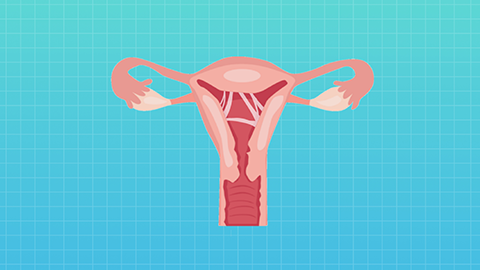
1. Reduced Menstrual Flow: Intrauterine adhesions can reduce the surface area of the endometrium, affecting the production of menstrual blood, thereby significantly decreasing menstrual flow. This表现为 (manifests as) a noticeable reduction in total menstrual blood loss and shortened duration of menstruation, with some patients experiencing only spotting.
2. Amenorrhea: Severe intrauterine adhesions may completely seal the uterine cavity, preventing normal shedding of the endometrium and causing amenorrhea, or cessation of menstruation. This type of amenorrhea often responds poorly to medication and is considered one of the more severe manifestations of intrauterine adhesions.
3. Dysmenorrhea: Intrauterine adhesions can obstruct the outflow of menstrual blood, causing blood to accumulate within the uterus, which triggers enhanced uterine contractions and results in dysmenorrhea. The pain is typically cramp-like in the lower abdomen, starting at the onset of menstruation and intensifying as menstrual blood flow becomes increasingly obstructed.
4. Infertility: Intrauterine adhesions can disrupt the normal anatomical structure and endometrial environment of the uterus, hindering the implantation of a fertilized egg and increasing the difficulty of conception. Even if fertilization occurs successfully, the embryo may struggle to implant and develop on the damaged endometrium, leading to infertility.
5. Recurrent Miscarriage: For women with mild intrauterine adhesions who achieve pregnancy, insufficient endometrial blood supply or abnormal uterine cavity morphology may fail to provide a stable growth environment for the embryo, resulting in recurrent miscarriages, which typically occur early in pregnancy.
In daily life, if the above symptoms occur, regular gynecological examinations can help detect problems early, and appropriate measures can be taken when necessary to address them. Additionally, protecting the endometrium and avoiding unnecessary intrauterine procedures can help reduce the occurrence of intrauterine adhesions.


