Is the sequela of radiation therapy after breast-conserving surgery severe?
Jul 15, 2025
Source: Cainiu Health

Dr. Zhang Lu
Introduction
In general, the severity of complications after breast-conserving radiotherapy should be judged according to the specific medical condition. If the patient is in good physical condition and receives proper care and rehabilitation, complications are usually not severe. However, for patients with poor health or inadequate post-treatment care, complications may be more severe. If any discomfort occurs, prompt medical attention is recommended.
Generally speaking, whether the side effects of breast-conserving radiotherapy are severe needs to be determined based on the individual patient's specific condition. If the patient is in good physical condition and receives appropriate care and rehabilitation, the side effects are usually not serious. However, for patients with poor health or inadequate post-treatment care, there may be a higher risk of developing severe side effects. If any discomfort occurs, timely medical consultation is recommended. Detailed analysis is as follows:
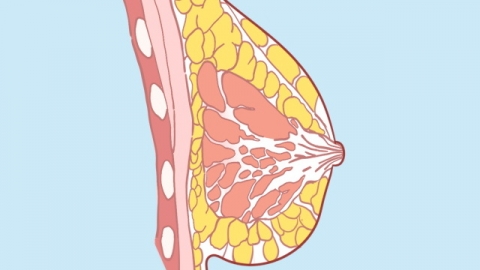
If the patient is in good physical condition, they may experience some short-term side effects after radiotherapy, such as skin redness and swelling, increased fatigue, etc., but these are usually temporary, and most symptoms gradually improve and eventually disappear after treatment ends. Additionally, some patients who follow medical advice and perform appropriate care and rehabilitation exercises may adapt well to the treatment, resulting in relatively mild side effects that do not significantly impact quality of life.
If the patient is older, has poor lung function to begin with, or during radiotherapy a large lung volume is irradiated with a high radiation dose, the risk of developing severe radiation pneumonitis increases. This may manifest as symptoms such as coughing, shortness of breath, and fever, and in severe cases, it may affect respiratory function and reduce quality of life. Additionally, if the patient does not perform standardized rehabilitation exercises after radiotherapy or has a predisposition to scarring, breast fibrosis may be more severe.
Prior to undergoing breast-conserving radiotherapy, patients should fully understand the potential risks and possible side effects of radiotherapy and make adequate preparation and arrangements for care under the guidance of a physician.