


Are uterine cysts serious, and what are their potential risks?

Generally speaking, whether a uterine cyst is serious needs to be determined based on specific circumstances. A uterine cyst is not considered serious when it is small, singular, and without obvious symptoms; however, it may be considered serious if it is large, multiple, or causing discomfort. Potential harms caused by uterine cysts usually include menstrual disturbances, abdominal discomfort, impaired fertility, increased risk of infection, cyst rupture, or torsion. If abnormalities occur, timely medical attention is recommended. Detailed analysis is as follows:
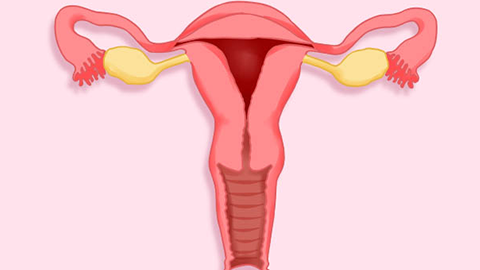
1. Menstrual disturbances: Enlarged cysts may interfere with the normal shedding and regeneration of the endometrium, leading to increased menstrual flow, prolonged periods, or irregular menstrual cycles. Long-term menstrual abnormalities may cause anemia, resulting in symptoms such as dizziness and fatigue, affecting overall physical condition.
2. Abdominal discomfort: As the cyst increases in size, it may press on surrounding tissues, causing sensations of pressure, dull pain in the lower abdomen, or backache. If the cyst continues to grow, the discomfort may intensify, potentially affecting daily activities and quality of life.
3. Impaired fertility: Larger cysts may occupy uterine space, hinder embryo implantation, or compress the fallopian tubes, affecting the transportation of eggs. Some cysts might also alter the pelvic environment, interfering with normal embryonic development and reducing the chances of conception.
4. Increased risk of infection: If the cyst surface is damaged, bacterial invasion may cause infection, resulting in symptoms such as fever and abnormal discharge. The infection might spread to surrounding organs, causing complications like pelvic inflammatory disease, thereby increasing the complexity of the condition.
5. Cyst rupture or torsion: Under external stimuli or sudden postural changes, cysts may rupture, causing severe abdominal pain and internal bleeding. Torsion may also occur, cutting off the blood supply and causing acute abdominal pain, which requires urgent medical treatment.
After discovering a uterine cyst, regular checkups are recommended to monitor changes in size and shape. If the cyst is small and without obvious symptoms, treatment may not be necessary for now. However, if discomfort occurs or the cyst continues to grow, timely medical consultation is needed. Following professional recommendations to choose appropriate treatment methods can help avoid delays in treatment.


