


What is the difference between uterine bleeding and menstrual bleeding?
Jul 15, 2025
Source: Cainiu Health

Dr. Zhang Lu
Introduction
In general, uterine bleeding and menstrual bleeding differ significantly in terms of causes, timing, amount of bleeding, blood characteristics, and accompanying symptoms. If discomfort occurs, it is recommended to seek timely medical evaluation and treatment at a reputable hospital. Additionally, it is important to maintain a healthy lifestyle, avoid excessive fatigue or stress, eat a balanced diet, and reduce intake of stimulants such as caffeine and spicy foods.
Generally speaking, uterine bleeding and menstrual bleeding significantly differ in terms of causes, timing, amount, blood characteristics, and associated symptoms. If discomfort symptoms occur, it is recommended to seek timely medical consultation and treatment at a qualified hospital. Detailed analysis is as follows:
1. Causes of Bleeding
Menstrual bleeding is a normal physiological phenomenon in women, primarily caused by cyclical changes in the ovaries leading to periodic shedding and bleeding of the endometrium. It is regulated by the hypothalamic-pituitary-ovarian axis and follows a regular pattern. Uterine bleeding, however, can be caused by various factors such as endometrial polyps, uterine fibroids, endometritis, hormonal imbalances, pregnancy-related conditions, and malignant tumors of the reproductive tract. It is classified as pathological bleeding.
2. Timing of Bleeding
Menstrual bleeding follows a clear cycle, typically occurring every 21–35 days, with an average cycle length of 28 days. Each episode usually lasts 3–7 days and follows a predictable and regular pattern. Uterine bleeding does not follow a fixed cycle and can occur at any time during the menstrual cycle. It may happen between two menstrual periods, persist after prolonged menstruation or increased menstrual flow, or present as irregular vaginal bleeding. The duration of uterine bleeding varies, lasting from a few days to several weeks.
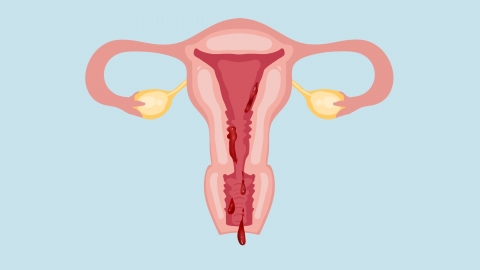
3. Amount of Bleeding
Menstrual bleeding is relatively consistent in volume, with normal menstrual blood loss ranging from 20–60 milliliters. Blood loss exceeding 80 milliliters is considered menorrhagia. Typically, the second and third days of menstruation involve the heaviest flow, followed by a gradual decrease. Uterine bleeding varies greatly in volume; it may manifest as light spotting or heavy bleeding, potentially leading to anemia. The bleeding usually lacks a clear pattern of increase or decrease.
4. Blood Characteristics
Menstrual blood is typically dark red in color and contains not only blood but also fragments of the endometrium, cervical mucus, and shed vaginal epithelial cells. Due to the presence of fibrinolysin, menstrual blood usually does not coagulate, although blood clots may appear when the flow is heavy or rapid. The characteristics of blood from uterine bleeding vary depending on the underlying cause and may appear bright red, dark red, or brown. If infection is present, the blood may have an odor and is more likely to contain clots.
5. Associated Symptoms
During menstrual bleeding, some women may experience mild symptoms of premenstrual syndrome, such as a feeling of heaviness in the lower abdomen, back pain, and breast tenderness. These symptoms typically subside naturally after menstruation. Uterine bleeding is often accompanied by symptoms related to the underlying cause. For example, bleeding caused by endometrial polyps or fibroids may be accompanied by increased vaginal discharge; bleeding caused by hormonal imbalances may be associated with menstrual irregularities, obesity, and hirsutism; bleeding caused by pregnancy-related conditions may be accompanied by amenorrhea and abdominal pain; and bleeding caused by malignant tumors may be accompanied by systemic symptoms such as weight loss and fatigue.
Maintaining a healthy lifestyle, avoiding excessive fatigue or stress, eating a balanced diet, and reducing intake of stimulants such as caffeine and spicy foods can help maintain reproductive system health.


