


Can periventricular white matter lesions (Fazekas grade 1) be reversed?

Generally, Fazekas grade 1 cerebral white matter lesions caused by controllable factors can be reversed with timely intervention. However, if the lesions are caused by irreversible factors or not treated promptly, recovery is difficult. If concerned, it is recommended to seek medical advice in advance. Detailed explanation is as follows:
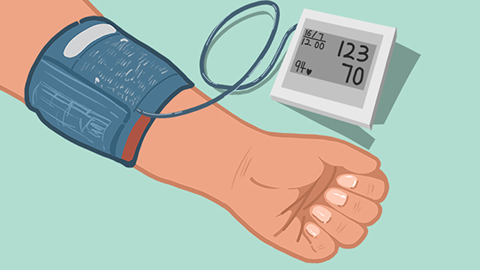
If the lesions are triggered by controllable vascular risk factors such as hypertension or diabetes, and are in the early stages, they may gradually improve or even resolve through active blood pressure and glucose control, and improved cerebral blood circulation. In such cases, the white matter damage is mild and has not yet resulted in permanent changes. Prompt intervention can halt lesion progression and promote recovery.
If the lesions are associated with irreversible factors such as aging or hereditary white matter diseases, or if risk factors have remained uncontrolled over a long period leading to structural changes in the cerebral white matter, recovery is usually difficult. In these cases, damage to the nerve fibers progressively accumulates, and the lesions may slowly progress. Intervention may only slow the progression, but cannot completely reverse the damage.
After detecting cerebral white matter lesions, regular follow-up examinations are necessary, along with active management of underlying conditions and maintaining a healthy lifestyle to prevent further progression of the lesions.


