


Is a blood pressure reading of 105 mmHg systolic and 85 mmHg diastolic considered normal?

High blood pressure refers to systolic pressure, while low blood pressure refers to diastolic pressure. A systolic pressure of 105 mmHg and a diastolic pressure of 85 mmHg overall fall within the normal range, but the diastolic pressure is close to the upper limit of normal. If concerned, it is recommended to seek medical advice earlier. Detailed analysis is as follows:
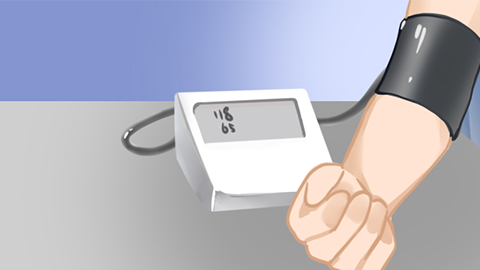
A systolic pressure of 105 mmHg falls within the ideal systolic range, indicating normal pressure exerted on the arterial walls during heart contraction, with no significant abnormalities in vascular elasticity or cardiac pumping function, suggesting a good baseline status of systemic blood circulation.
Although a diastolic pressure of 85 mmHg is within the normal range, it is close to the upper limit of normal, suggesting slightly elevated pressure when the blood vessels are relaxed. If consistently at this level over a long period, it may be related to mild decline in vascular elasticity or slightly increased sympathetic nerve tension; thus, attention should be paid to the future trend.
In daily life, maintain regular作息 (作息 translates to作息 habits or routines), reduce high-salt diet intake, monitor blood pressure regularly, and promptly adjust lifestyle if a continuous increase is detected.


