


What should I do if my ribs hurt after falling down?

Generally, pain inside the ribs after a fall may be caused by factors such as soft tissue contusion, muscle strain, rib fissure, rib fracture, or injury to thoracic organs. It is recommended to seek timely medical attention to identify the exact cause and receive appropriate treatment under a doctor's guidance. Detailed analysis is as follows:
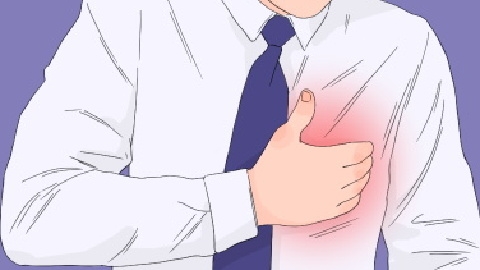
1. Soft tissue contusion: When falling, the soft tissues surrounding the ribs may be impacted, causing local congestion and swelling, which leads to pain that worsens with pressure or movement. Cold compress within the first 48 hours can reduce swelling, followed by heat compress after 48 hours to promote absorption. Avoid strenuous activity and chest strain.
2. Muscle strain: During a fall, sudden contraction or excessive stretching of the chest muscles may cause muscle fiber damage, resulting in pain that is particularly noticeable during deep breathing or body rotation. Rest adequately, limit chest movement, and apply topical medications such as diclofenac diethylamine gel to relieve pain. If necessary, use a chest strap to immobilize the chest.
3. Rib fissure: A crack or incomplete fracture of the rib without significant displacement causes persistent pain, which intensifies during coughing or movement. Patients may take medications such as ibuprofen sustained-release capsules, Yunnan Baiyao capsules, or Shangke Jiegu Pian as directed by a physician. Bed rest is necessary, and weight-bearing activities should be avoided.
4. Rib fracture: A complete break in the rib's integrity, possibly with displacement, causes severe pain, and a grating sound may be heard. Breathing may be affected in serious cases. Patients should take medications such as paracetamol and codeine tablets, Jiugu Qili tablets, or cefixime capsules as directed by a physician. Surgery may be required for fixation in some cases. Frequent turning while bedridden is recommended to prevent pressure sores.
5. Thoracic organ injury: A strong impact from falling may cause lung contusion or pleural injury, leading to pain accompanied by difficulty breathing and chest tightness. Immediate medical attention is required. Intravenous medications such as ceftriaxone sodium injection, ambroxol hydrochloride injection, or methylprednisolone sodium succinate injection may be administered as directed by a physician. In severe cases, closed thoracic drainage may be necessary.
After a fall, closely monitor symptoms. If breathing difficulties or hemoptysis (coughing up blood) occur, seek immediate medical attention. Avoid strenuous exercise during recovery and enhance nutrition by consuming foods rich in protein and calcium to promote healing.


