Can heatstroke leave lasting aftereffects?
Jul 16, 2025
Source: Cainiu Health

Dr. Yang Ziqi
Introduction
Individuals with mild heatstroke exhibit mild symptoms, such as dizziness, thirst, and fatigue. If promptly moved to a cool place, provided with hydration and electrolyte replacement, and allowed to rest, they can recover quickly without any impairment of bodily functions or long-term complications. In cases of severe heatstroke, body temperature rises sharply beyond 40°C, potentially causing irreversible damage to vital organs such as the brain, heart, and kidneys.
In general, mild heatstroke that is treated promptly typically does not leave any sequelae, while severe heatstroke may result in long-term complications if treatment is delayed. If concerns exist, it is recommended to seek medical advice in advance. Detailed explanations are as follows:
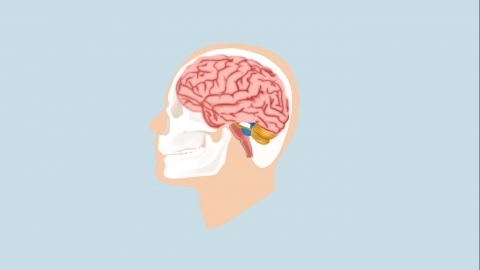
Mild heatstroke presents with relatively minor symptoms, such as dizziness, thirst, and fatigue. If the individual is promptly moved to a cool place, given hydration and electrolyte replacement, and allowed to rest, recovery is usually rapid, with no impact on bodily functions and therefore no lasting effects.
In cases of severe heatstroke, body temperature rises sharply beyond 40°C, causing damage to organs due to excessive heat. Critical organs such as the brain, heart, and kidneys may sustain irreversible injury. Without timely intervention, full recovery of organ function may not occur, potentially leading to long-term issues like decreased memory or kidney insufficiency.
When working or exercising in high-temperature environments, it is important to stay hydrated, protect against sun exposure, rest appropriately, and avoid prolonged exposure to high temperatures. If symptoms of heatstroke occur, immediate cooling measures should be taken and medical assistance sought promptly.