


What causes a bitter taste in the mouth while eating?
Jul 17, 2025
Source: Cainiu Health

Dr. Liu Chao
Introduction
In general, a bitter taste in the mouth while eating may be caused by improper diet, lack of sleep, oral inflammation, gastroesophageal reflux disease (GERD), cholecystitis, or other conditions. If discomfort occurs, prompt medical attention is recommended. In daily life, it is important to maintain good living habits, drink plenty of water to keep the mouth moist, and engage in appropriate physical exercise to promote gastrointestinal motility and overall metabolism.
Generally, a bitter taste in the mouth while eating may be caused by improper diet, insufficient sleep, oral inflammation, gastroesophageal reflux disease (GERD), cholecystitis, and other conditions. If discomfort occurs, timely medical consultation is recommended. The detailed analysis is as follows:
1. Improper Diet
Consuming excessive spicy, greasy, or irritating foods, or drinking large amounts of alcohol and coffee may irritate the mucous membranes of the mouth and gastrointestinal tract, affecting saliva secretion and digestive function, which may lead to a bitter taste while eating. It is recommended to adjust the diet, reduce intake of spicy and greasy foods, avoid excessive alcohol consumption and strong coffee. Eat more fresh vegetables and fruits such as pears, watermelons, and cucumbers.
2. Insufficient Sleep
Long-term lack of sleep can disrupt the body's physiological rhythms, affect the nervous system and endocrine function, reduce saliva secretion, and promote bacterial growth in the mouth, which may result in a bitter taste while eating. Maintain regular作息 habits, ensure 7-8 hours of adequate sleep daily, and try to avoid staying up late.
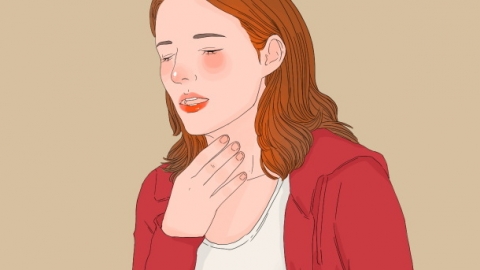
Periodontitis can cause excessive bacterial growth in the mouth, producing inflammatory secretions. When eating, these secretions may mix with food and cause a bitter taste, often accompanied by symptoms such as swollen, red, and painful gums and oral mucosal damage. Under medical guidance, topical oral medications such as compound chlorhexidine mouthwash, metronidazole buccal tablets, and cetylpyridinium iodide lozenges may be used to inhibit bacterial growth in the mouth.
4. Gastroesophageal Reflux Disease (GERD)
In patients with GERD, stomach contents may reflux into the esophagus and mouth, where stomach acid irritates the oral mucosa, causing a bitter taste when eating. Symptoms may include heartburn, acid regurgitation, and retrosternal pain. Under medical guidance, medications to suppress gastric acid secretion and promote gastric motility may be used, such as omeprazole enteric-coated capsules, domperidone tablets, and hydrotalcite chewable tablets.
5. Cholecystitis
Cholecystitis can affect bile secretion and excretion. Bile stasis or reflux may lead to a bitter taste while eating, often accompanied by symptoms such as right upper quadrant abdominal pain, nausea, fatigue, and jaundice. Under medical guidance, treatment should be tailored according to the specific condition, using medications such as anti-inflammatory and bile-promoting tablets (Xiaoyan Lidan Pian), ursodeoxycholic acid capsules, and reduced glutathione tablets.
In daily life, it is important to maintain good living habits, drink plenty of water to keep the mouth moist, engage in appropriate physical exercise to promote gastrointestinal motility and body metabolism. If the bitter taste persists or is accompanied by other discomforts, seek timely medical evaluation and treatment.



