


What causes leg cramps when stretching?
Jul 17, 2025
Source: Cainiu Health

Dr. Wang Lei
Introduction
In general, leg cramps when stretching may be caused by sudden muscle contraction, local blood circulation problems, calcium deficiency, lumbar disc herniation, hypothyroidism, or other factors. If discomfort occurs, prompt medical attention is recommended. In daily life, it is important to maintain a balanced diet and ensure adequate nutrient intake, as well as develop regular作息 habits and avoid staying up late.
Generally, leg cramps when stretching may be caused by sudden muscle contraction, local blood circulation problems, calcium deficiency, lumbar disc herniation, hypothyroidism, and other related factors. If discomfort occurs, it is recommended to seek medical attention promptly. Detailed explanations are as follows:
1. Sudden Muscle Contraction
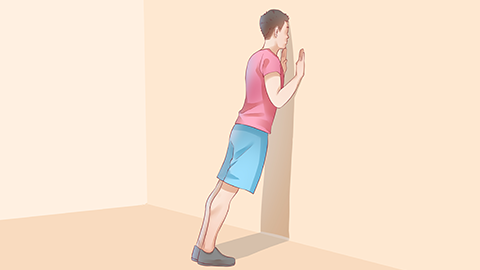
During stretching, the body extends rapidly, and calf muscles may experience strong contractions due to sudden stretching, leading to cramps. When stretching, try to slow down the movements and avoid sudden exertion or overextending. Regular calf muscle stretching exercises can help, such as standing with the toes against a wall, slowly leaning forward, and stretching the muscles at the back of the calf. Hold each stretch for 15-30 seconds to relieve muscle tension.
2. Local Blood Circulation Problems
Maintaining the same posture for prolonged periods, such as sitting or standing for long durations, may hinder local blood circulation in the calf. Sudden changes in circulation during stretching can easily cause muscle spasms and cramps. Avoid staying in the same posture for extended periods; get up and move around periodically, such as walking or rising onto your toes, to promote blood flow in the calves. Elevating the calves during rest can also help with blood return, and gentle calf massage may improve circulation.
3. Calcium Deficiency
Calcium is essential for maintaining normal muscle contraction and relaxation. Insufficient calcium levels in the body can increase muscle excitability, making calf cramps more likely during stretching. This may also be accompanied by leg weakness and aching. Incorporate calcium-rich foods into your daily diet, such as milk, soy products, and shrimp skins. If calcium deficiency is significant, calcium supplements like calcium carbonate D3 tablets, calcium gluconate tablets, or calcium lactate tablets may be taken under medical guidance. Additionally, moderate sun exposure can help enhance calcium absorption.
4. Lumbar Disc Herniation
Lumbar disc herniation may compress nerves that control the calf muscles, leading to abnormal nerve conduction. During stretching, these nerves may be further stimulated, causing calf cramps, possibly accompanied by lower back pain and numbness in the lower limbs. For mild symptoms, conservative treatments such as lumbar traction and physical therapy may be conducted under medical guidance. If pain is significant, nonsteroidal anti-inflammatory drugs (NSAIDs), such as ibuprofen sustained-release capsules, diclofenac sodium enteric-coated tablets, or celecoxib capsules, may be used to alleviate symptoms. Maintain proper sitting and standing postures in daily life and avoid excessive strain on the lower back.
5. Hypothyroidism
Hypothyroidism results in insufficient thyroid hormone secretion, which affects the body's metabolism and may lead to abnormal muscle excitability. Calf cramps may occur during stretching, along with symptoms like cold intolerance, fatigue, and reduced appetite. Thyroid hormone supplements, such as levothyroxine sodium tablets or thyroid extract tablets, should be taken under medical supervision. Regular follow-up tests of thyroid function are necessary to adjust medication dosages accordingly. Keep warm and engage in appropriate physical activities, such as yoga or tai chi, to improve metabolic function.
In daily life, maintain a balanced diet to ensure adequate nutrition, establish regular作息 habits and avoid staying up late, and engage in moderate physical exercise to strengthen the body and reduce the likelihood of cramps.





