What causes leg cramps in the calf?
Jul 17, 2025
Source: Cainiu Health

Dr. Yang Ziqi
Introduction
Leg cramps may be caused by muscle fatigue after strenuous exercise, prolonged maintenance of the same posture, hypocalcemia, magnesium deficiency, or lower extremity venous thrombosis. If abnormalities occur, prompt medical attention is recommended. During intense exercise, frequent muscle contractions produce large amounts of metabolic byproducts such as lactic acid, which accumulate and stimulate the muscles, potentially triggering spasms and cramps.
Leg cramps may be caused by muscle fatigue after strenuous exercise, prolonged maintenance of the same posture, hypocalcemia, magnesium deficiency, or lower extremity venous thrombosis. If abnormalities occur, timely medical attention is recommended. Detailed analysis is as follows:
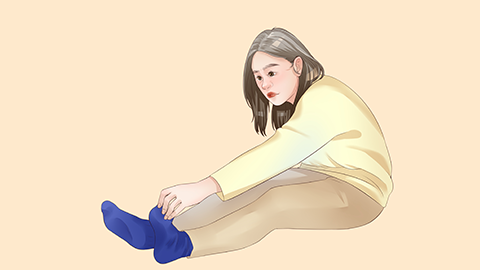
1. Muscle fatigue after strenuous exercise: During intense physical activity, frequent muscle contractions produce a large amount of metabolic byproducts such as lactic acid, which can accumulate and stimulate the muscles, causing spasms and cramps. It is recommended to perform appropriate stretching and relaxation after exercise to promote the elimination of metabolic byproducts and relieve muscle fatigue.
2. Prolonged maintenance of the same posture: Maintaining standing, squatting, or similar postures for extended periods can keep the calf muscles in a tense state, impairing blood circulation and causing cramps. One should change postures regularly, move the legs, improve blood flow, and reduce the occurrence of cramps.
3. Hypocalcemia: Low concentration of calcium ions in the blood increases neuromuscular excitability, leading to involuntary muscle contractions and calf cramps. This condition is often accompanied by symptoms such as tetany of the hands and feet, bone pain, and loose teeth. Treatment primarily involves taking medications such as calcium gluconate tablets, calcium citrate tablets, or calcitriol soft capsules as directed by a physician.
4. Magnesium deficiency: Magnesium plays a role in regulating normal neuromuscular function. When magnesium levels in the body are low, abnormal muscle excitability may occur, easily causing calf cramps. This condition is often accompanied by symptoms such as fatigue, emotional agitation, and arrhythmia. Doctors generally recommend treatment with magnesium chloride, potassium magnesium aspartate tablets, magnesium sulfate injection, or similar medications.
5. Lower extremity venous thrombosis: Blood clots formed in the leg veins can obstruct blood return, causing blood stasis in the legs, leading to muscle spasms and cramps. This is often accompanied by symptoms such as leg swelling, pain, and elevated skin temperature. It is recommended to use medications such as warfarin sodium tablets, rivaroxaban tablets, or dabigatran etexilate capsules under a doctor's guidance.
In daily life, one should maintain regular exercise habits, avoid excessive fatigue, maintain a balanced diet, consume more foods rich in minerals such as calcium and magnesium, and ensure proper leg warmth to reduce the likelihood of calf cramps.