


What causes leg cramps in pregnant women?
Jul 17, 2025
Source: Cainiu Health

Dr. Zhang Lu
Introduction
Leg cramps in pregnant women may be caused by uterine compression, increased nutritional demands, hypocalcemia, varicose veins in the lower limbs, and increased lumbar spine load. As pregnancy progresses, the uterus enlarges, compressing blood vessels and nerves in the lower limbs, affecting leg blood circulation, leading to ischemia and hypoxia in the calf muscles, which can cause cramps. It is recommended to avoid prolonged standing or sitting.
Leg cramps in pregnant women may be caused by uterine compression, increased nutritional demands, hypocalcemia, lower extremity varicose veins, and increased lumbar spine load. If abnormalities occur, timely medical consultation is recommended. Detailed analysis is as follows:
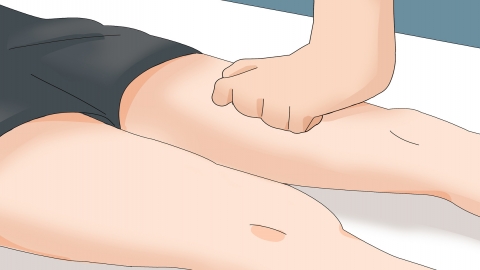
1. Uterine Compression: As pregnancy progresses, the growing uterus compresses the blood vessels and nerves in the lower limbs, affecting leg blood circulation, leading to ischemia and hypoxia in the calf muscles and resulting in cramps. It is recommended to avoid prolonged standing or sitting, and elevate the lower limbs appropriately when resting to promote blood return.
2. Increased Nutritional Demand: During pregnancy, fetal growth and development require substantial nutrients. The demand for minerals such as calcium and magnesium increases in pregnant women, and insufficient intake may lead to calf cramps. Dietary adjustments are recommended, including more consumption of calcium- and magnesium-rich foods such as milk, soy products, and leafy vegetables to meet bodily needs.
3. Hypocalcemia: Insufficient calcium intake or poor absorption during pregnancy can lead to decreased blood calcium ion concentration, increasing neuromuscular excitability and causing calf cramps. This is often accompanied by symptoms such as numbness in hands and feet and frequent nighttime cramps. Treatment primarily involves taking medications such as calcium carbonate D3 granules, calcium gluconate oral solution, and vitamin AD drops as directed by a physician.
4. Lower Extremity Varicose Veins: Hormonal changes during pregnancy cause venous wall relaxation, and uterine compression impedes venous return in the lower limbs, causing blood stasis and resulting in calf cramps. Symptoms often include leg heaviness, distended and twisted veins. Doctors generally recommend using medical compression stockings to alleviate symptoms, avoiding prolonged standing, and engaging in appropriate walking to improve circulation.
5. Increased Lumbar Spine Load: Increased burden on the lower back during pregnancy raises pressure on the lumbar intervertebral discs, potentially compressing nerve roots and causing calf cramps. This is often accompanied by symptoms such as lower back pain and radiating discomfort in the buttocks and legs. It is recommended to perform gentle lumbar massage or stretching under medical guidance, avoid strenuous activities, and reduce pressure on the lumbar spine.
In daily life, pregnant women should maintain a regular routine, engage in mild exercises such as walking, soak feet in warm water before bed, and massage calf muscles to reduce the occurrence of cramps. If cramps occur frequently or are accompanied by other discomforts, timely medical evaluation is advised to ensure maternal and fetal health.





