


Why does drinking cold water cause diarrhea when the body is hot?

Generally, drinking icy water when the body is hot and subsequently developing diarrhea may be caused by factors such as gastrointestinal irritation, increased intestinal motility, intestinal dysbiosis, irritable bowel syndrome, or acute gastroenteritis. It is recommended to seek timely medical attention to identify the underlying cause and receive appropriate treatment under a doctor's guidance. Detailed explanations are as follows:
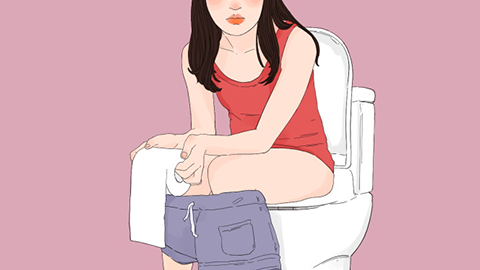
1. Gastrointestinal irritation: When the body is hot, gastrointestinal blood vessels are in a dilated state. Drinking icy water suddenly can irritate the gastrointestinal mucosa, causing vasoconstriction and spasms of the mucosal blood vessels, which may lead to diarrhea accompanied by abdominal cramps. Symptoms usually improve after bowel movements. Avoid drinking icy water directly when the body is hot; instead, allow water to cool to room temperature before consumption. Applying a hot water bottle to the abdomen during diarrhea can relieve gastrointestinal spasms and reduce discomfort.
2. Increased intestinal motility: The cold stimulation of icy water enhances contraction of the intestinal smooth muscles, accelerating peristalsis. As a result, food is expelled before being fully digested and absorbed, causing diarrhea with increased frequency and loose stools. Reduce intake of icy water and opt for warm or cool beverages. During diarrhea, consume bland liquid foods such as millet porridge to avoid overburdening the intestines. Intestinal motility usually returns to normal after adaptation.
3. Intestinal dysbiosis: When the body is hot, the intestine is more vulnerable, and icy water stimulation may disrupt the balance of intestinal flora, leading to an increase in harmful bacteria and resulting in diarrhea accompanied by bloating, increased flatulence, and mushy stools. Patients should avoid further consumption of icy water and follow medical advice to take medications such as Bifidobacterium triple viable capsules, Bacillus subtilis bifidobacterium viable granules, or Licheniformis Bacillus viable capsules to regulate the intestinal flora. Consuming fermented foods like yogurt can also help restore the balance of intestinal flora.
4. Irritable bowel syndrome: Individuals with sensitive intestines may experience functional disturbances triggered by drinking icy water when hot, leading to diarrhea accompanied by abdominal pain, urgency to defecate, and recurring symptoms that worsen with emotional stress. Cold or hot stimuli should be avoided, and a regular diet with reduced intake of spicy or cold foods is recommended. Follow medical advice to take medications such as trimebutine maleate tablets, pinaverium bromide tablets, or compound glutamine enteric-coated capsules to regulate intestinal function and alleviate diarrhea.
5. Acute gastroenteritis: If icy water contains bacteria or contaminants, drinking it when the body is hot may easily cause acute inflammation of the gastrointestinal mucosa, resulting in diarrhea accompanied by vomiting, abdominal pain, and fever, often with a history of group outbreaks or unhygienic food consumption. Patients should rest in bed and drink light salt water to prevent dehydration. Follow medical advice to take medications such as norfloxacin capsules, levofloxacin hydrochloride tablets, or smectite powder to fight infection and protect the intestinal mucosa. Intravenous fluid therapy may be necessary for severe diarrhea to correct electrolyte imbalances.
In daily life, it is advisable to drink warm or cooled boiled water when the body is hot to avoid direct cold stimulation to the gastrointestinal tract. Pay attention to water hygiene and ensure clean water sources, avoiding consumption of icy water that has been stored for too long. Eat slowly and chew food thoroughly to reduce the burden on the intestines. Engage in appropriate physical activity to enhance intestinal resistance and reduce the likelihood of diarrhea.


